

Reclairos — The world is broken. Reclaim it, one wave at a time.
A 2D story-driven Tower Defense RPG for Android & iOS. Assemble your elite squad, protect the escort, and fight through a fractured world — before it's too late.
Android • iOS
Unity (URP)
2D Tower Defense + RPG
Lane-Based Side-View
Escort • Tactical • Narrative
Assemble Your Elite Squad: Tactical RPG Class Synergy
Five distinct combat roles. Infinite tactical combinations. Encounters are designed so no single unit type dominates — strategy demands synergy.
Frontline Tank
High HP. Absorbs damage and slows the enemy advance. Buys critical time for ranged units to operate.
Ranged DPS
Consistent damage from a safe distance. Vulnerable to fast disruptors that bypass the frontline.
Support / Healer
Sustains the frontline with buffs and heals. Critical in grueling multi-wave encounters.
Burst / AoE Damage
Devastating burst output against grouped enemies. Long cooldown. Obliterates dense wave clusters.
Crowd Control
Applies slows, stuns, and traps. Counters fast disruptors. Low DPS, maximum utility.
Experience Reclairos
A full technical walkthrough of tactical unit deployment, combat loops, and lane defense.
A Kingdom Broken.
A Legend Forgotten.
When the dark Void Gates ripped open the skies of Reclairos, the ancient royal defenses crumbled in a single night. Ashrak Doomcaller's demonic legions poured into the rifts, corrupting once-peaceful lands and turning the kingdom's ancient defenders into brainwashed, hostile guardians.
Exiled to the desolate outer borders, the Prince must lead a desperate resistance. Your mission: protect and guide the Resonator Crystal—the realm's last hope to seal the rifts—across hazard-filled combat zones.
"The crystal must reach the heart of the Capital. If the light goes out, the rifts remain open forever. Stand your ground!"
— The Prince of Reclairos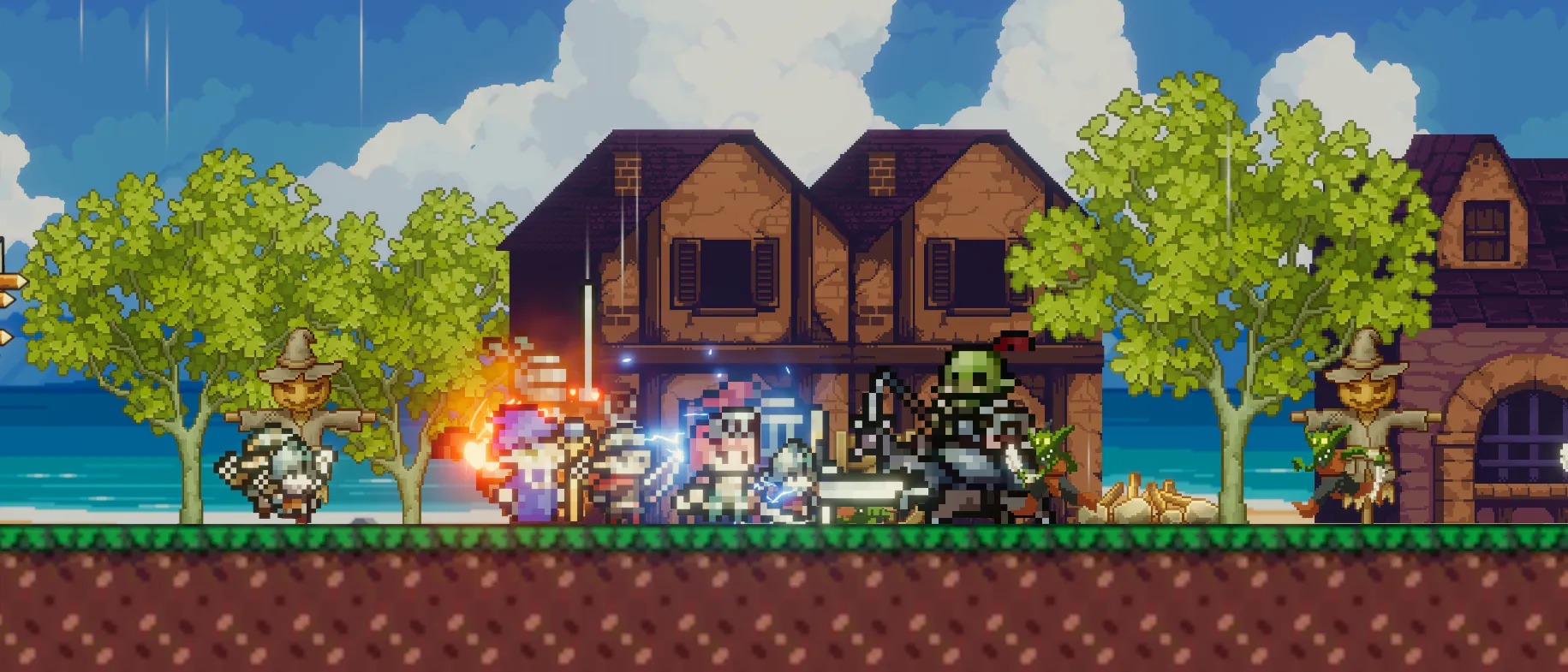
Chapter I: The Ruin of Aethelgard
The capital of Aethelgard stood for a thousand years as a beacon of power. When Ashrak Doomcaller activated the primary Void obelisks, the city's ancient stone defenses were rent apart in minutes. The sky turned a violet hue, and the capital became the epicenter of the rift zones.
World Exploration: Episodic Narrative Chapters
Reclairos features exploration-based chapter progression, taking your squad through dense villages, ancient ruins, and high-tension encounter zones across a fractured, episodic world.

Early Chapters
Single archetype waves. Teaching class roles through play.
Mid Chapters
Two archetype combinations. Encounters require class synergy.
Late Chapters
Three+ archetypes. Elite enemies. Aggressive escort pathing.
Command the Army: Ally Units & Warlords
Unlock and recruit legendary fighters as you reclaim lost territory. Filter by unit tier to inspect their strategic capabilities.
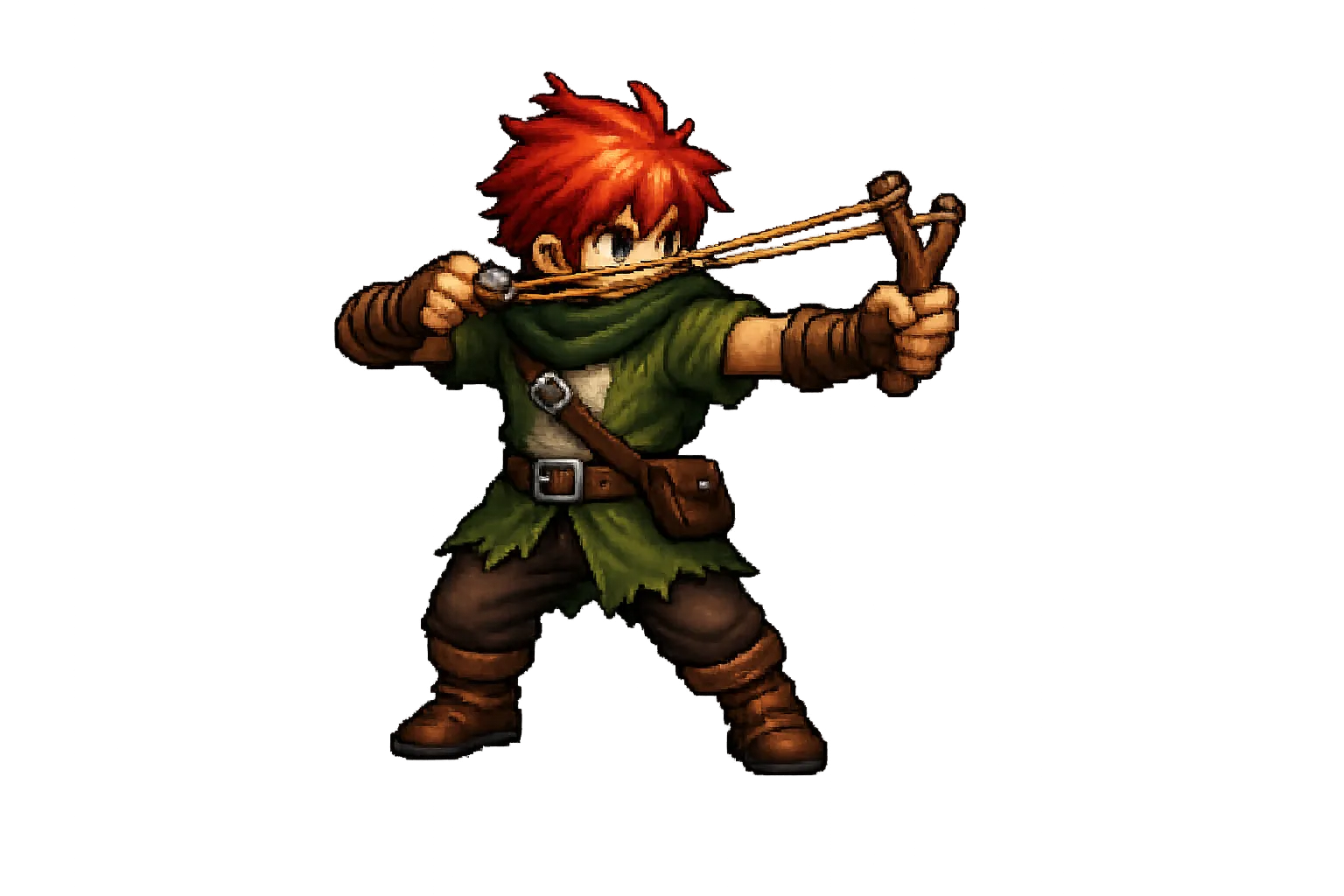
The Hitter
Single Attacker • Cheap to Spawn
Hitters are ordinary villagers who refused to watch their homeland fall into darkness. With no special training or heavy armor, they joined the Prince’s army with simple weapons.
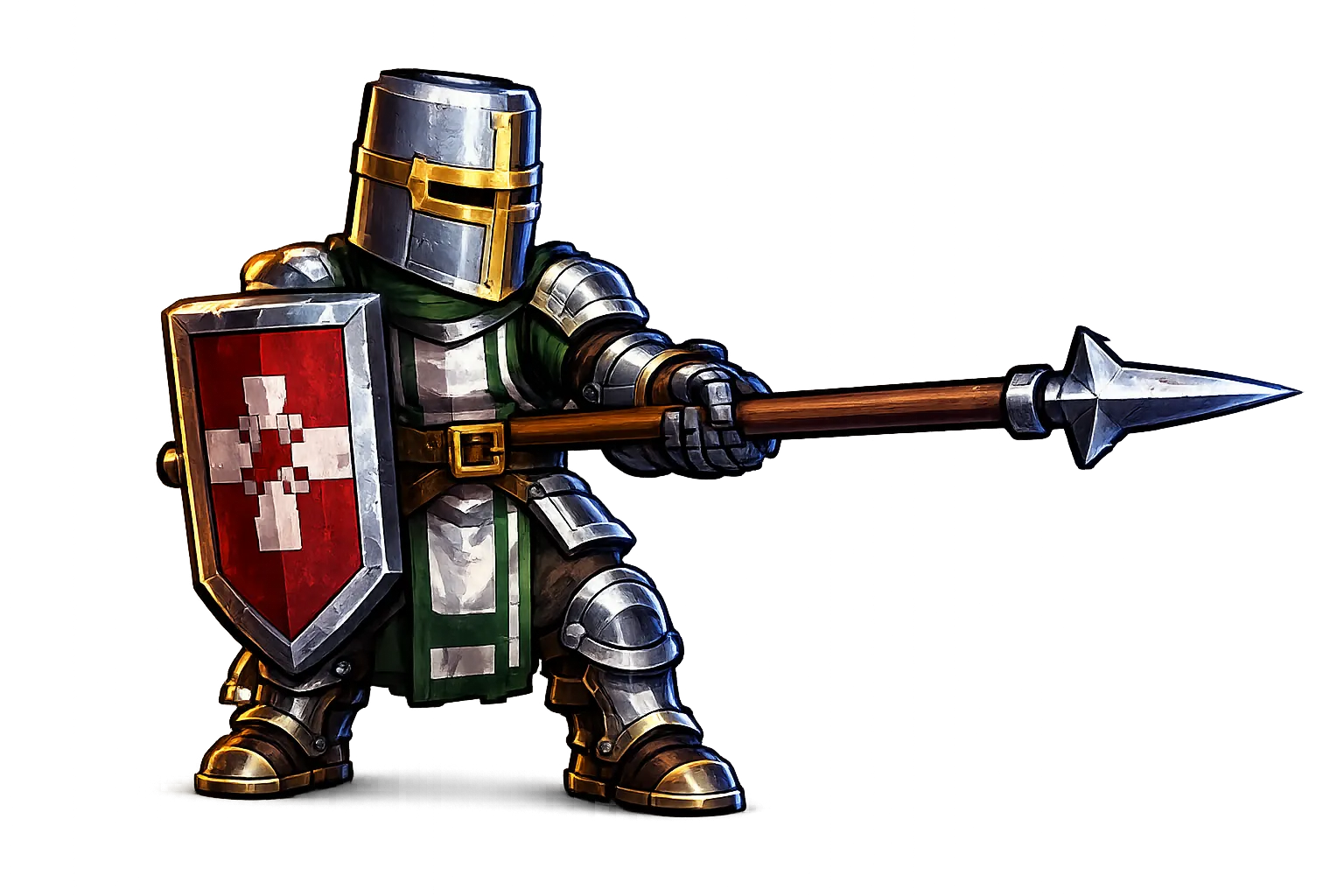
The Knight
Single Attacker • Medium Tanky
The Knights were once the loyal defenders of towns across Reclairos. After the demon invasion scattered the royal forces, these warriors returned to support the Prince.
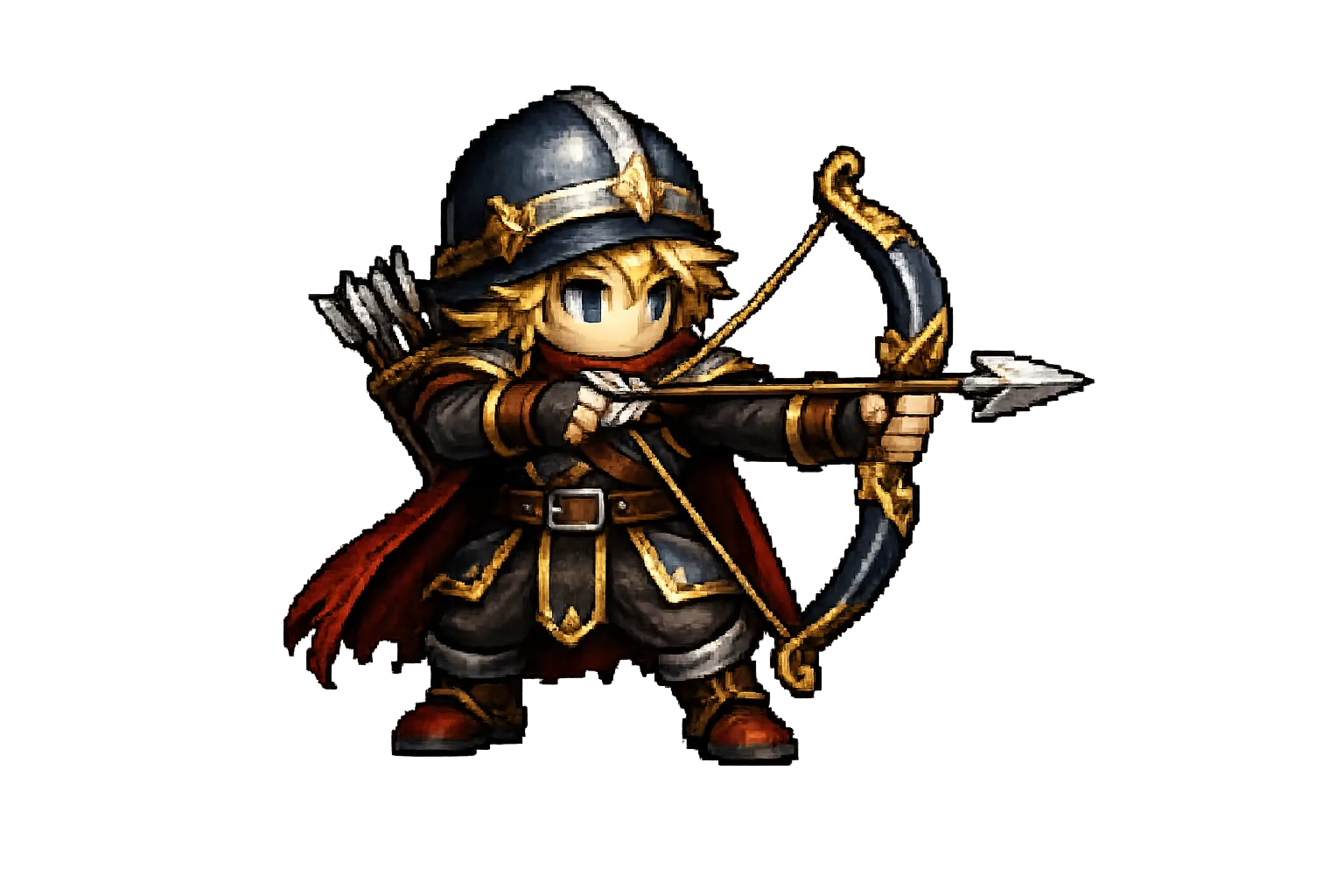
Hawk Eye
Single Target • Medium Range
The Hawk Eyes were skilled archers who once protected the castle walls of Reclairos. Known for their sharp vision and accuracy, they strike threats before they reach the gates.
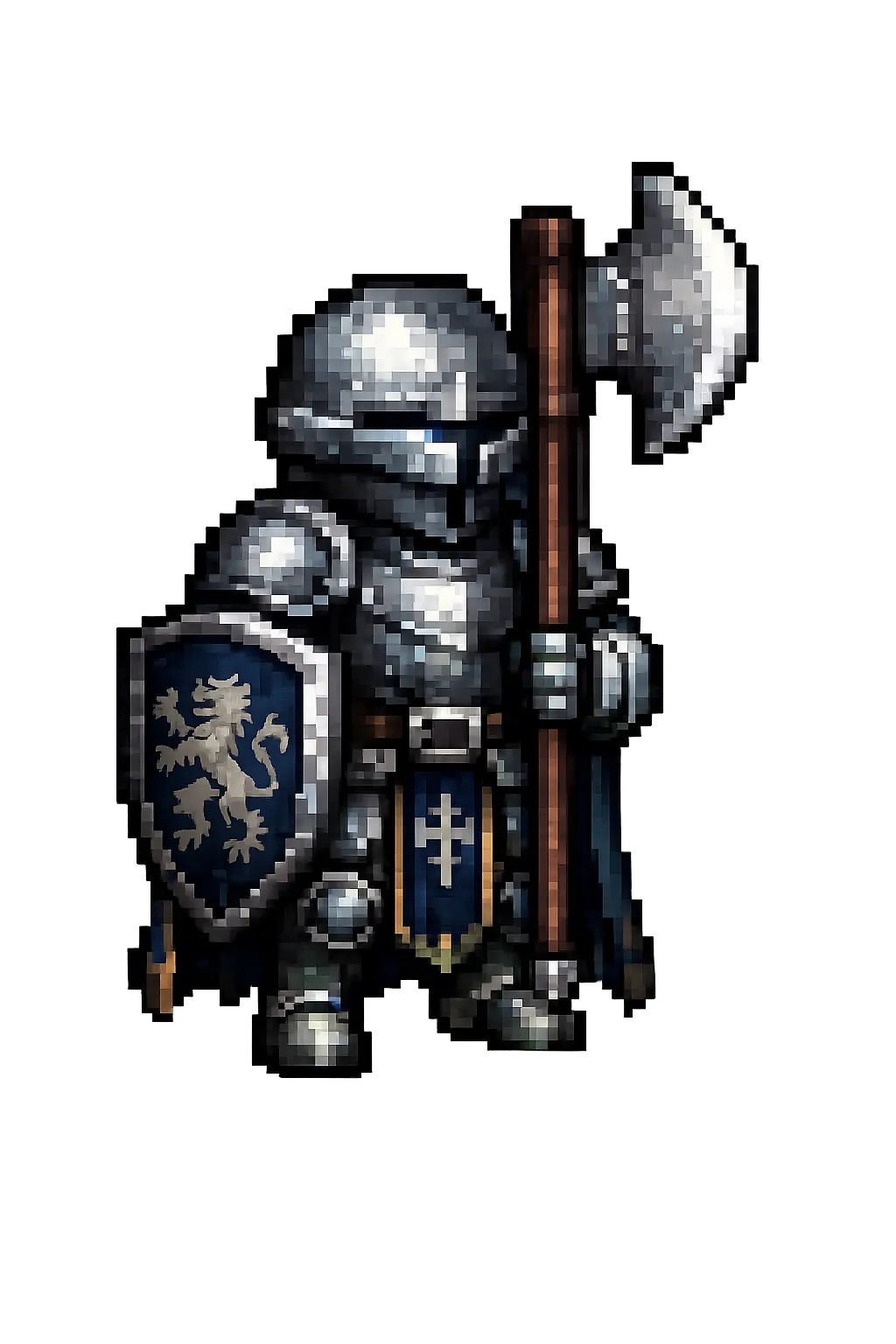
Armored Axeman
Area Damage • Super Tanky
Once a mighty gate guard of the King’s Castle, trusted to protect the kingdom’s strongest defenses. Captured by demons, he was rescued by the Prince to join the fight.
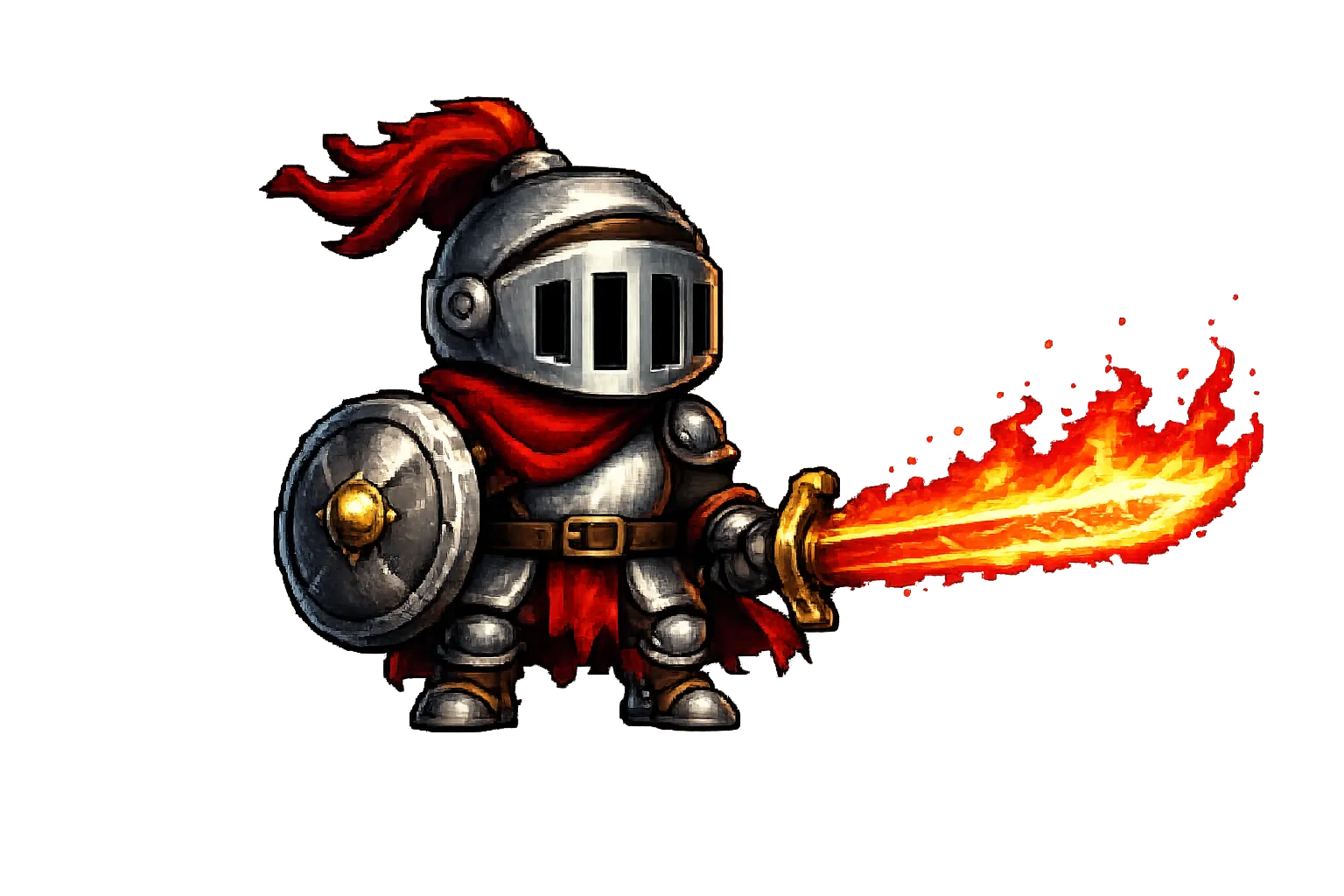
Fire Knight
High Area Damage
The strongest elite soldier of the kingdom, a legendary warrior carrying a powerful fire-infused sword. Captive to the demon forces until the Prince broke his chains.
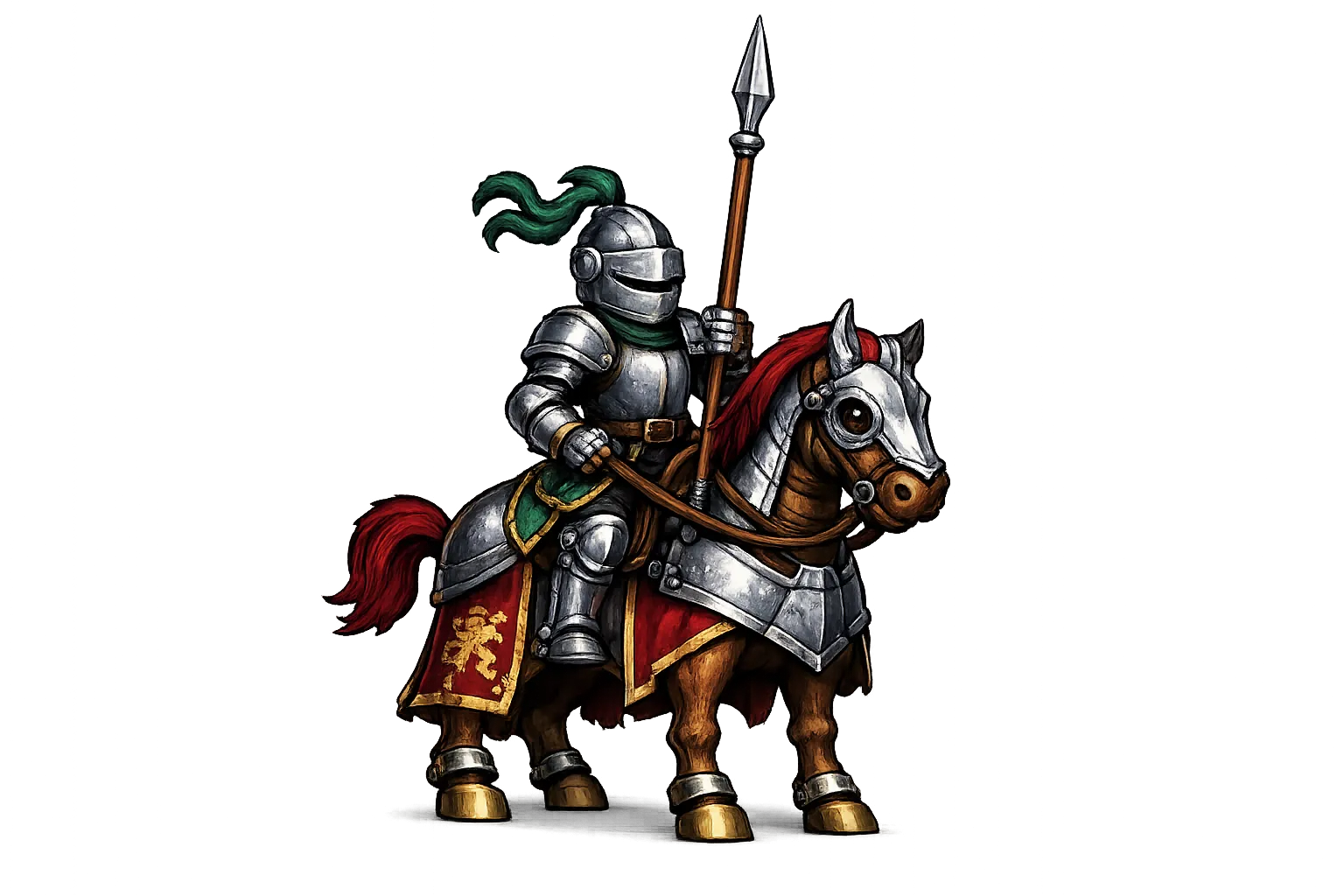
Guardian Knight
Fast • Single Target
Fearless cavalry warriors who once charged at the frontline during the kingdom’s greatest wars. Riding powerful war horses and armed with deadly spears.

The Priest
Supporter • Area • Long Range
The spiritual guardian of the kingdom’s church, guiding and protecting the people. He joined the Prince’s army to use his sacred powers to save lives on the battlefield.
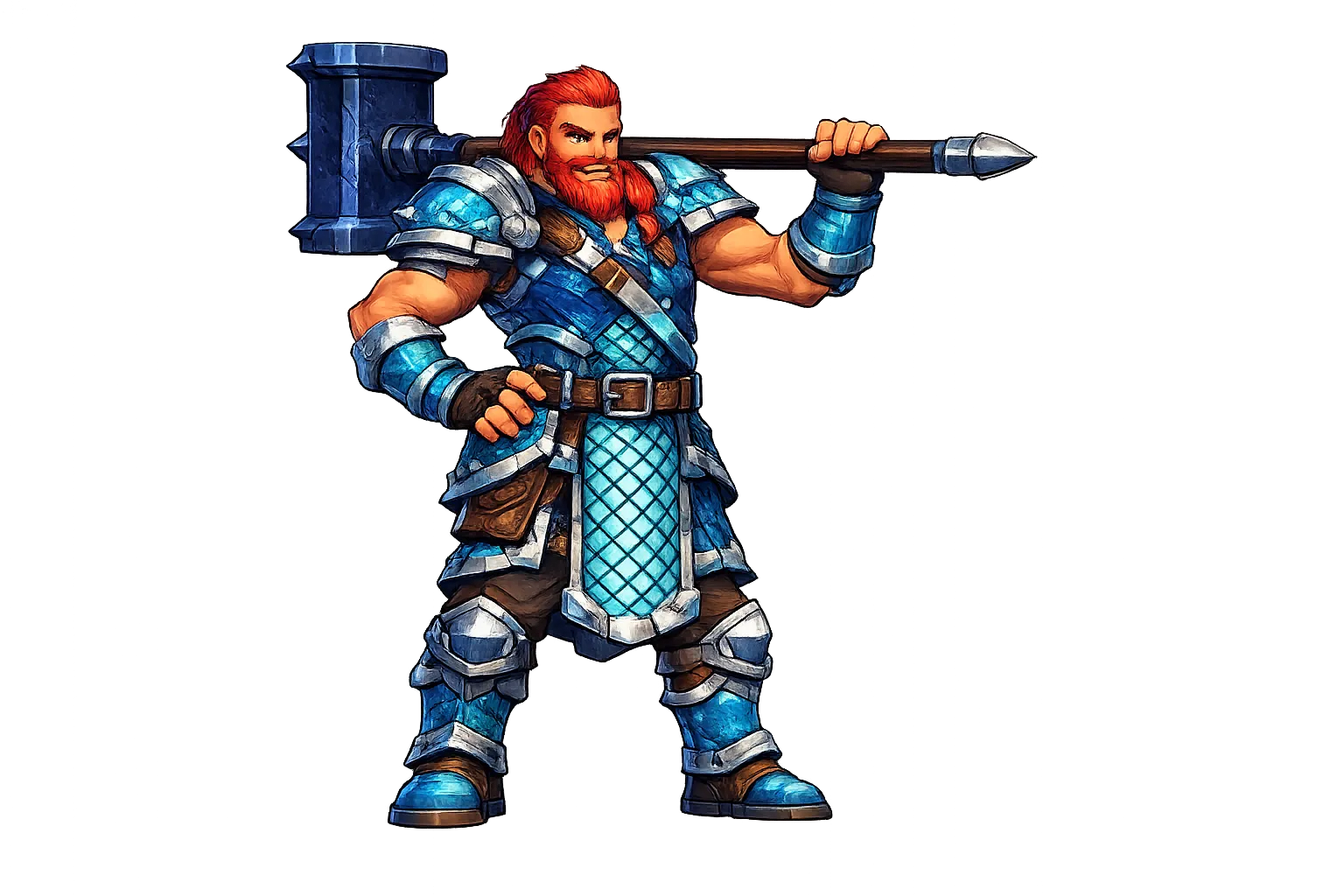
The King
Long Range • Massive Area Damage • Tanky
The legendary ruler of the Reclairos Empire. Captured by Ashrak Doomcaller, leaving the empire unprotected. Now freed, the King returns to fight beside the Prince.
More Allies Coming Soon
Expand the Resistance
New Warlords and elite units are currently in development to join the fight to reclaim Reclairos.
Reclairos Enemy Archive: Forces of Darkness
Study the demonic legions led by Ashrak Doomcaller. Filter by creature tier or threat level to prepare your strategy.
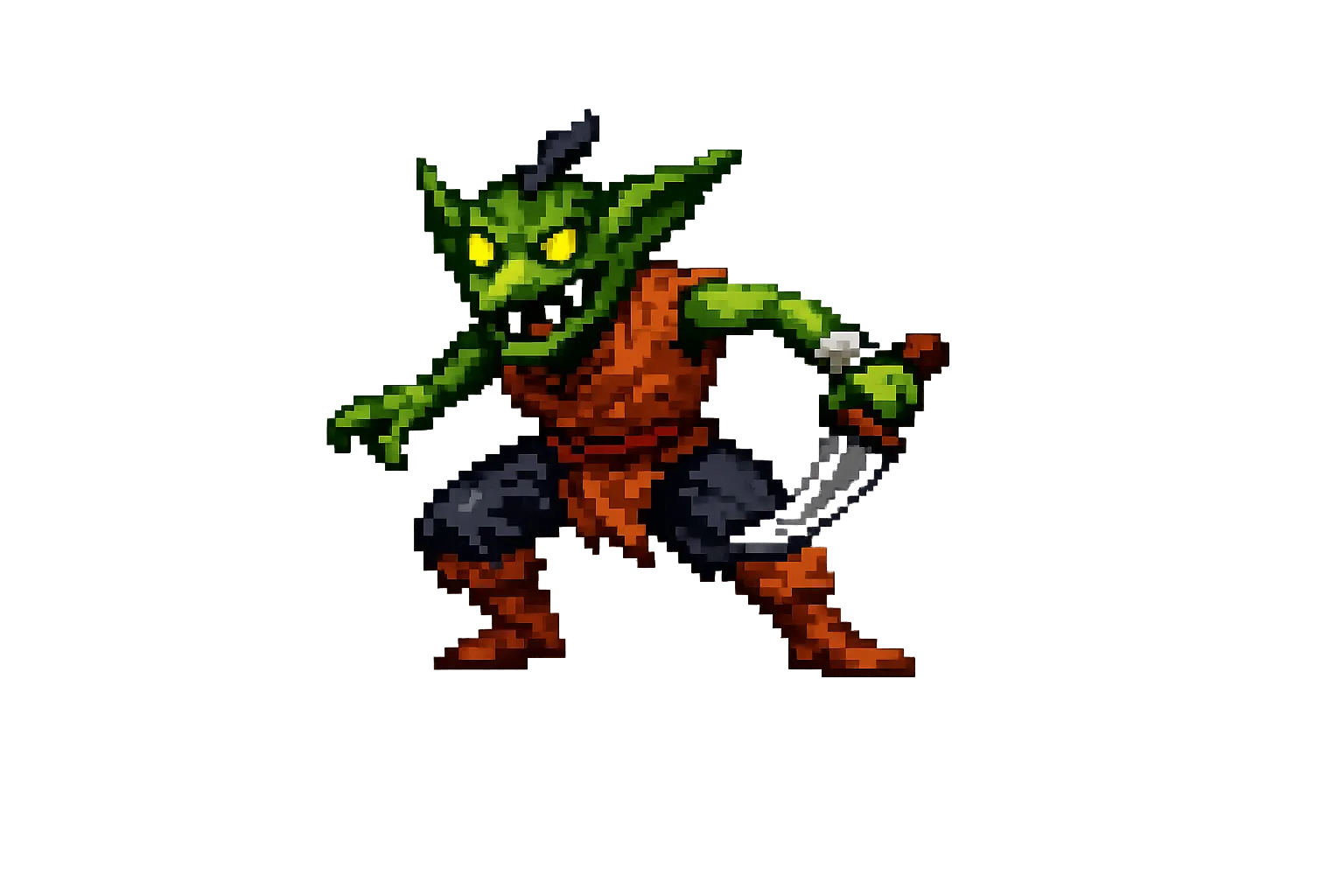
Goblin
Single Target Attack
Goblins are lower-ranked creatures serving under Ignar’s command. They carry out the demon army’s basic missions, attacking villages and following orders from stronger monsters.

Evil Eye
Area Damage Attack
A common but dangerous creature within the demon army. Evil Eyes attack from above, creating chaos in battle by striking warriors from the sky and weakening defenses before the main forces arrive.

Axeltronic
Single Target Attack
Born from ancient storms and forgotten lightning energy, Axeltronic is a monster formed from pure electricity. His body carries violent currents powerful enough to destroy anyone who stands against him.

Boulder Guy
Area Damage Attack
The unstoppable protector chosen to guard Ashrak Doomcaller himself. Do not judge Boulder Guy by his slow movement; his blade is capable of crushing whole columns of defenders.
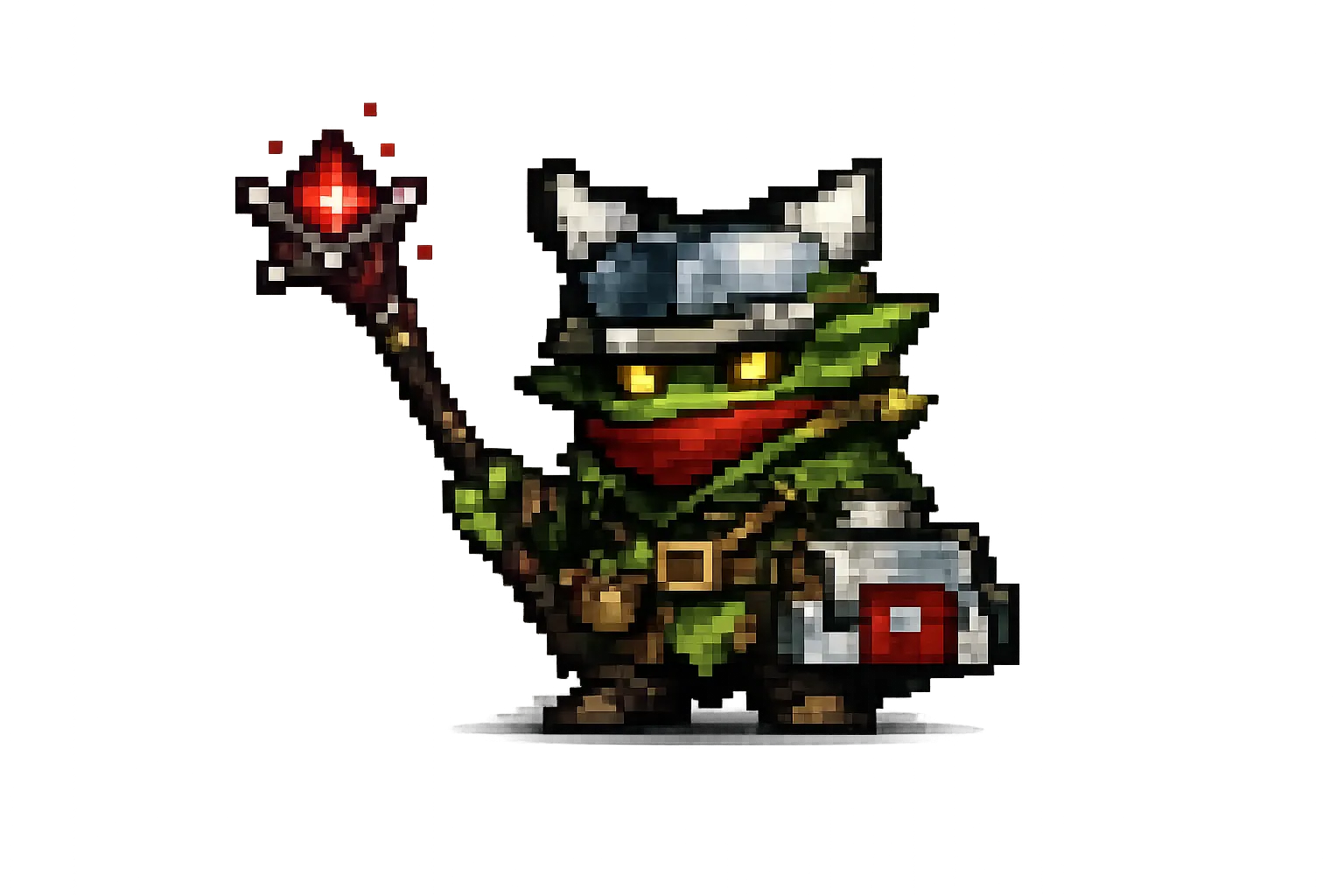
Elite Orc
Area Control Attack
Elite Orcs are among the strongest fighters of the Orc clans, trained for destruction and conquest. They lead brutal raids across the lands, capturing villages, hunting humans, and spreading fear.
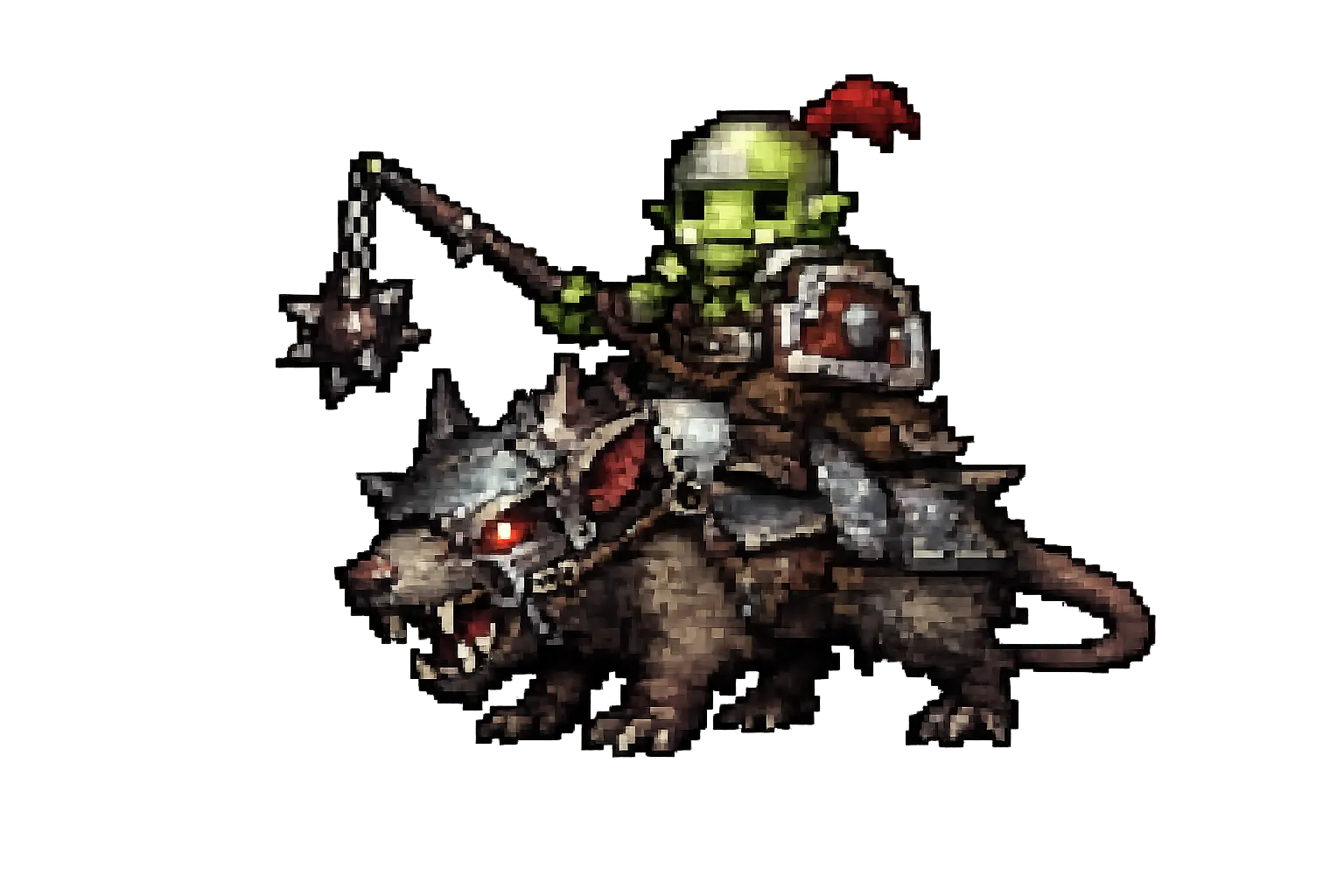
Orc Rider
Heavy Assault Attack
A powerful evolution of the Orc warriors, the Orc Rider stands above ordinary members of his clan. Known for leading swift cavalry invasions to expand the reach of darkness.
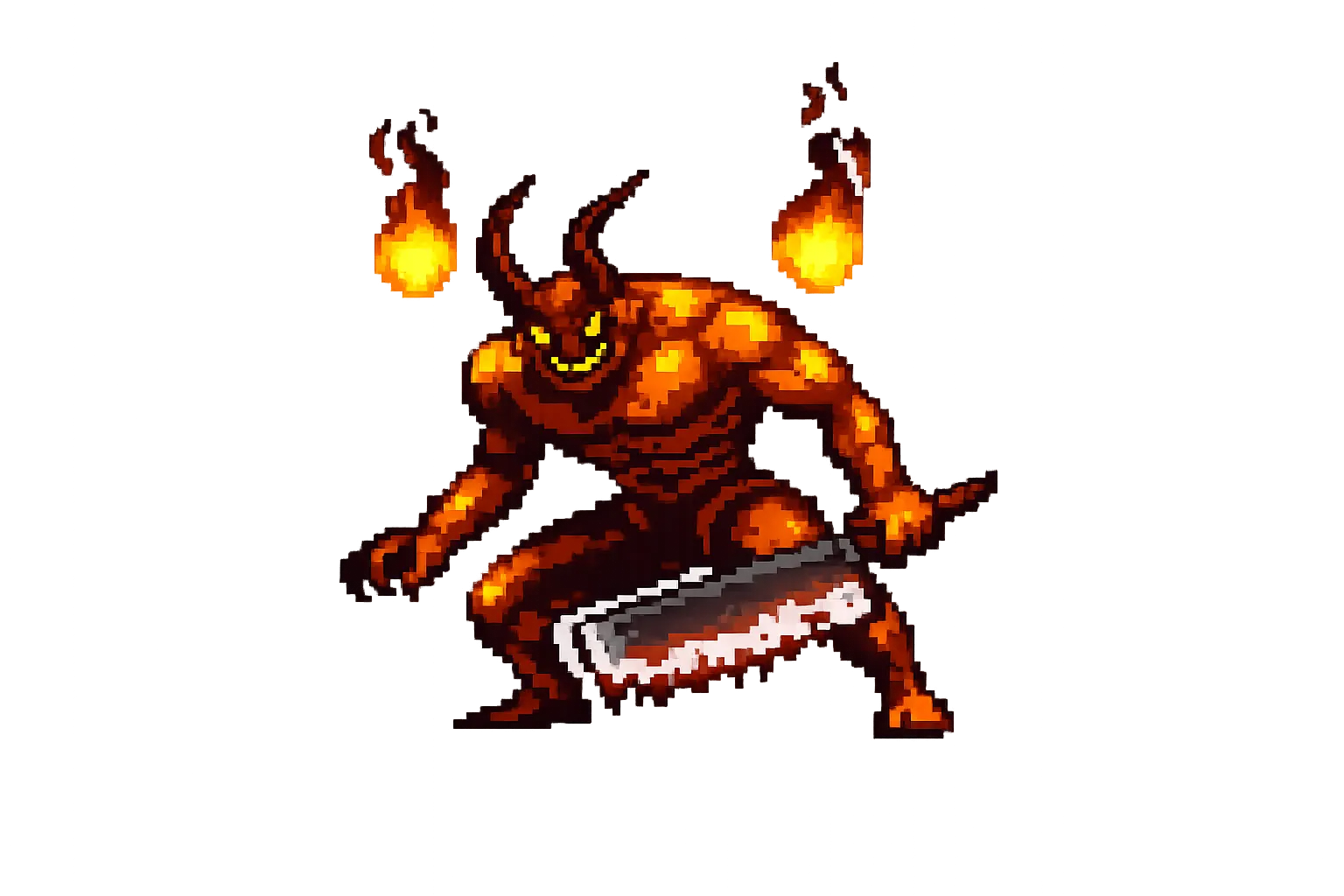
Ignar
Massive Destruction Attack
The right hand of Ashrak Doomcaller. Created from smokeless fire, Ignar became one of the most feared beings in history. His name alone was enough to spread terror across kingdoms.
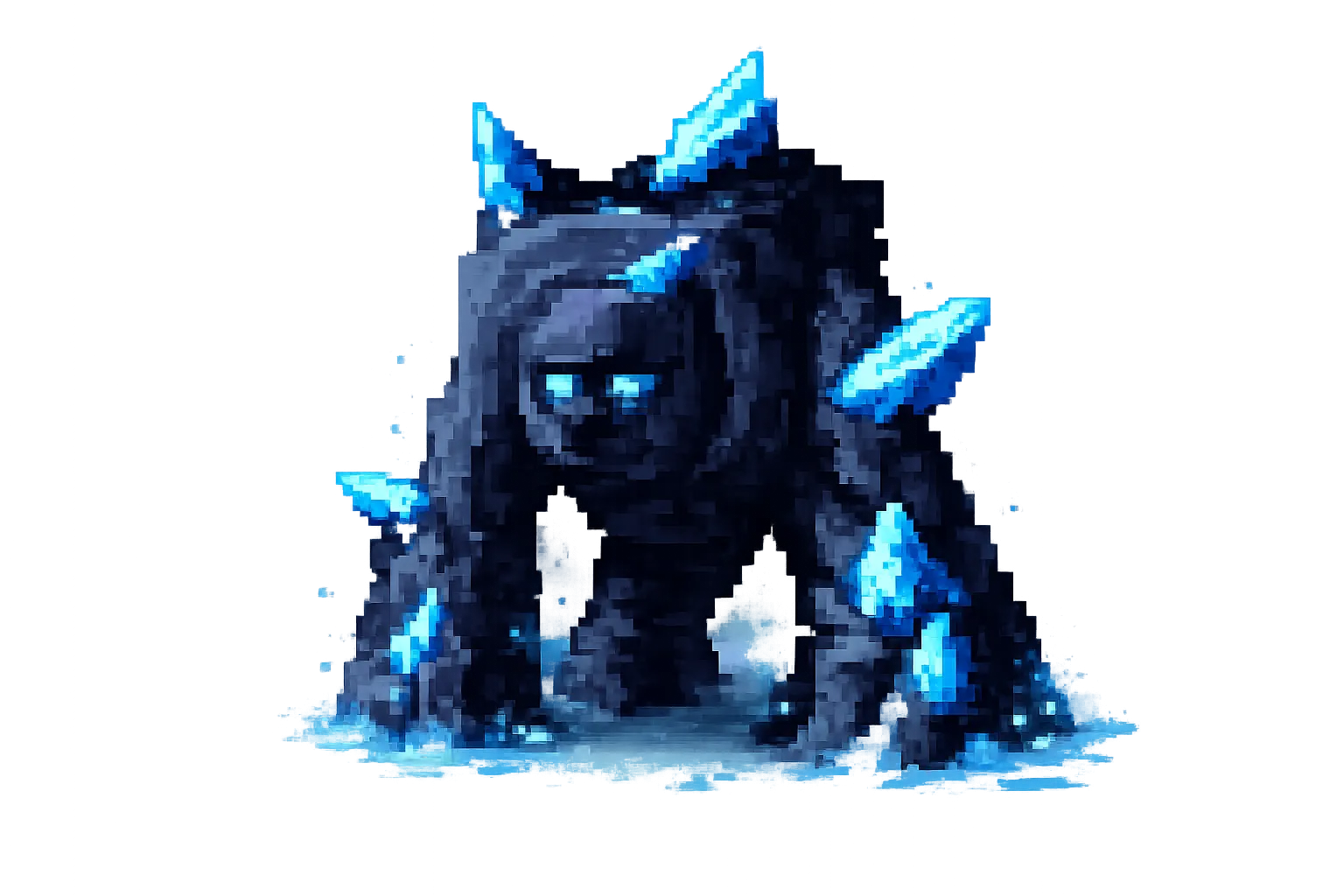
The Ancient Guardian
Unknown Attack Pattern
Older than the kingdoms. Older than the wars. The Ancient Guardian belongs to no army and follows no ruler. He does not serve Ashrak, demons, or mankind.
More Threats Await
Demonic Reinforcements
Ashrak's army grows stronger. New demon types and boss creatures are being summoned to the frontline.
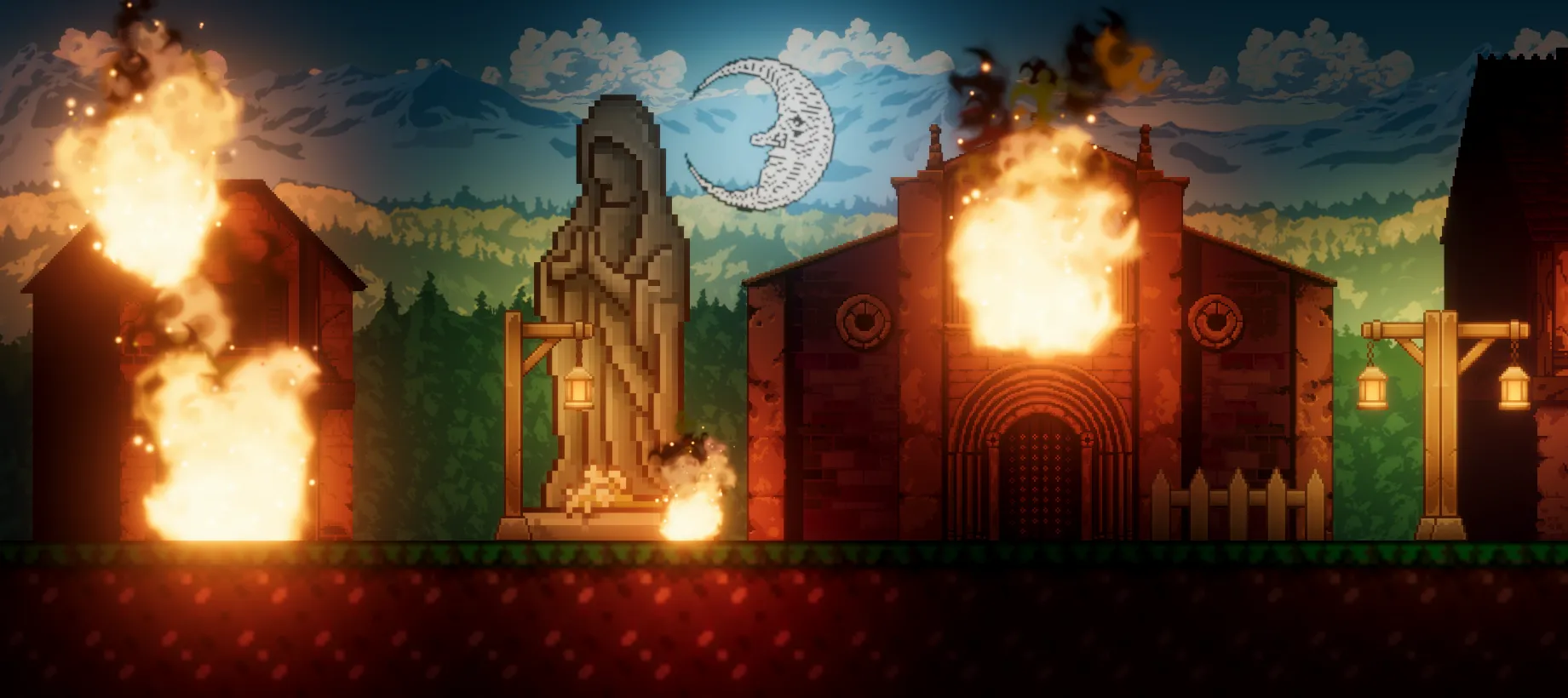
Reclairos Gameplay Showcase & Mechanics
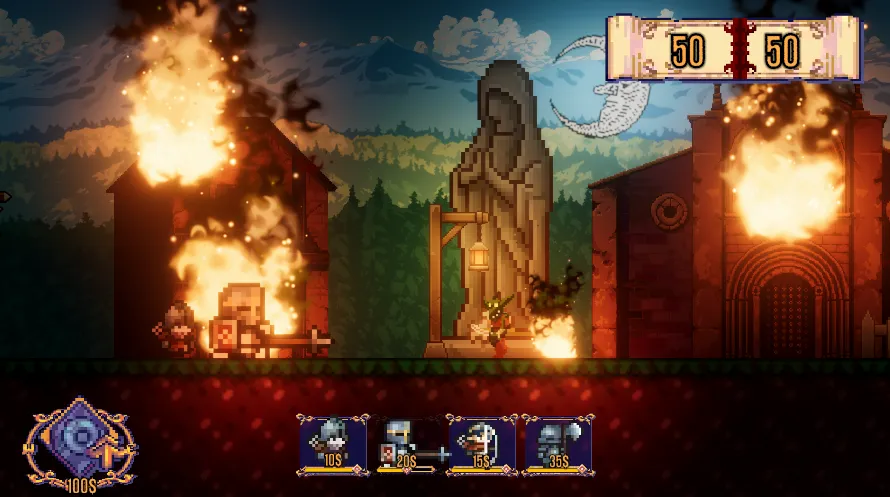
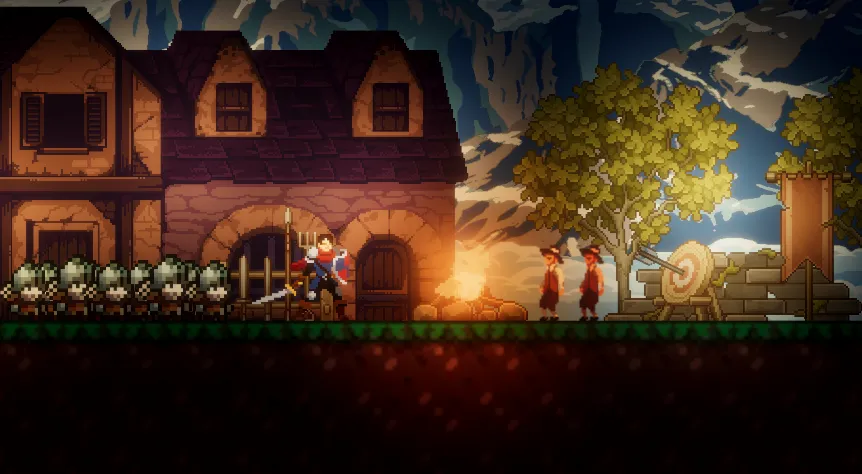
Escort mechanics, ability use, and unit deployment — all in a single lane. Every decision has consequence.
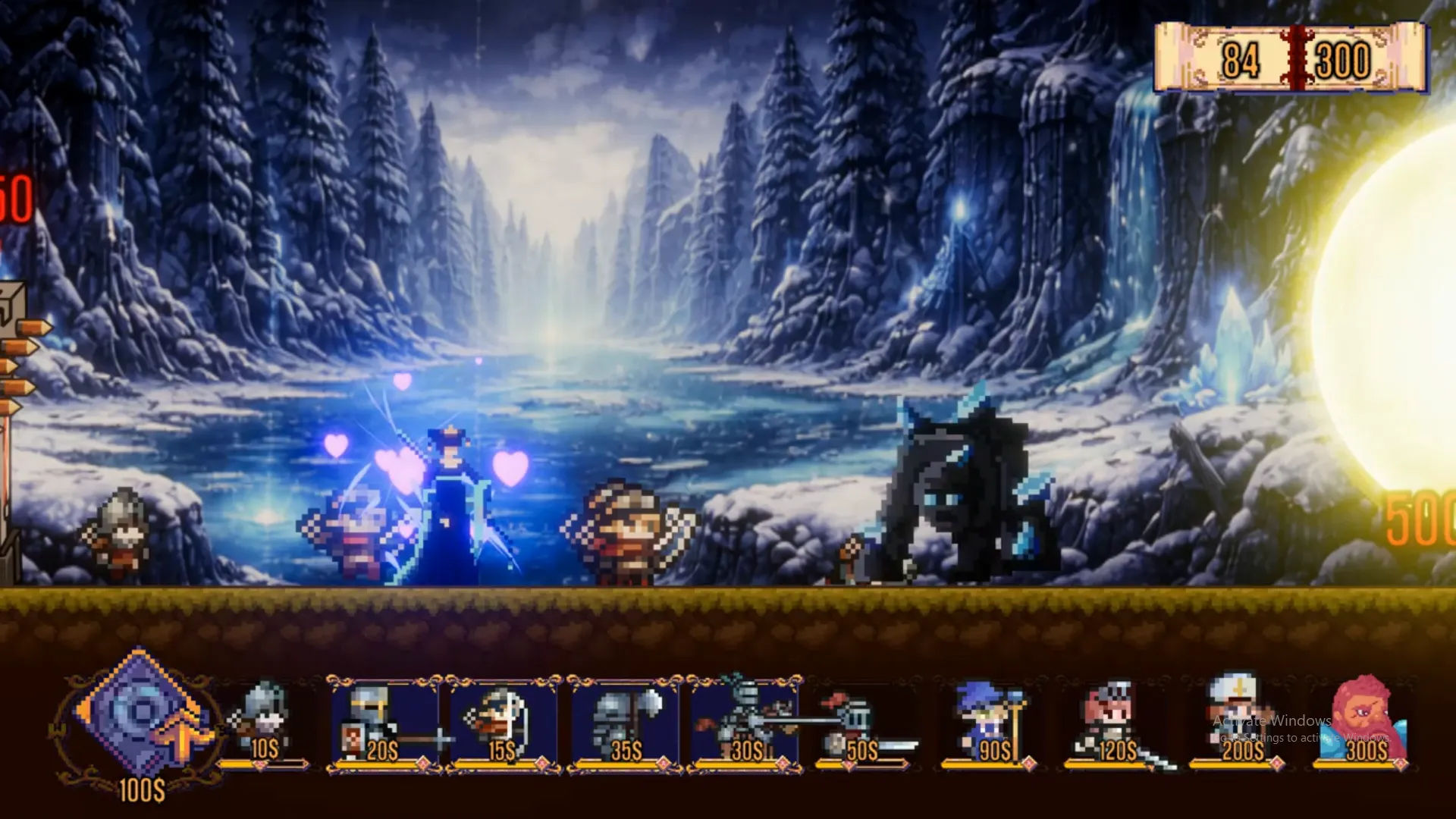
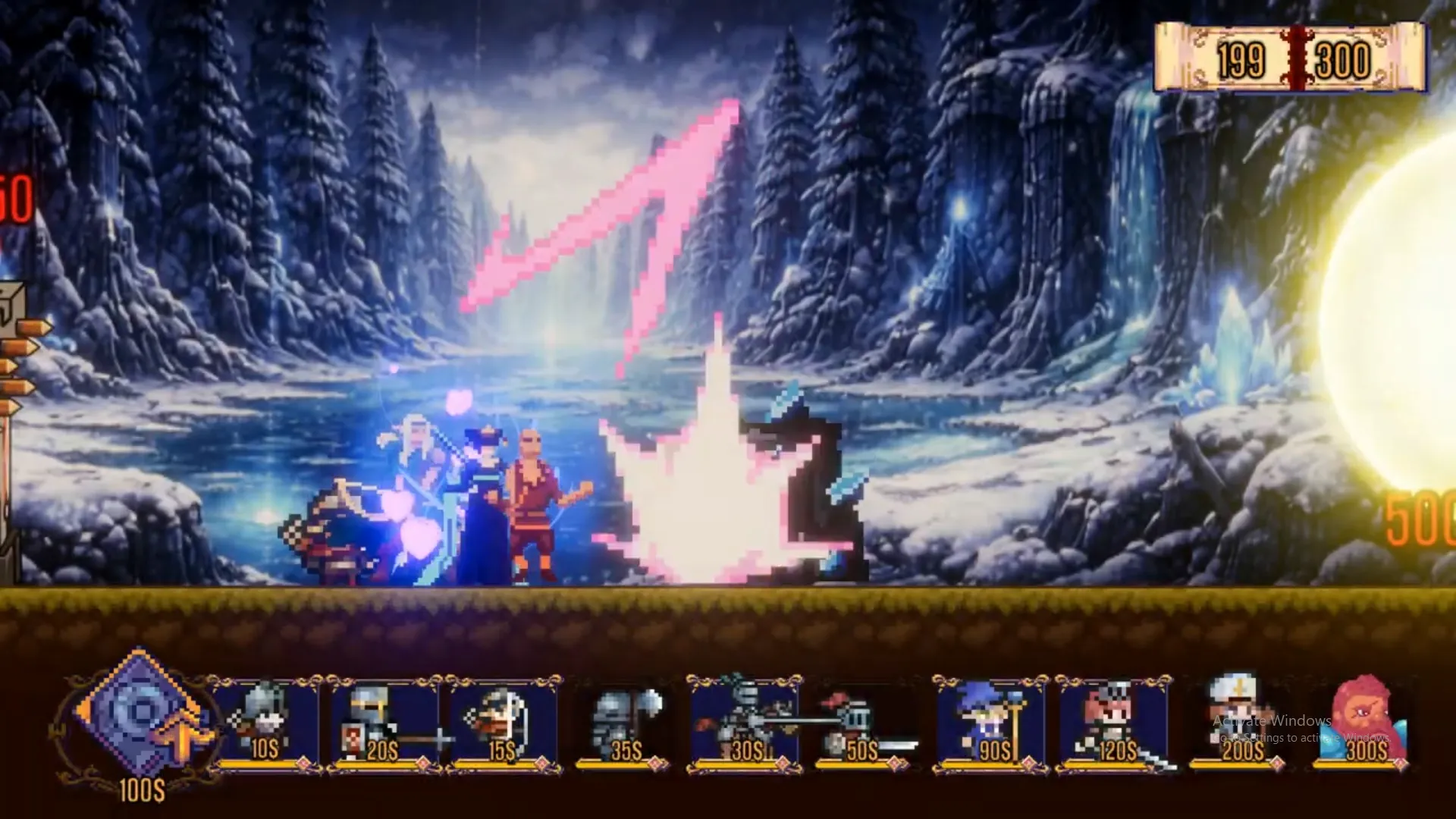
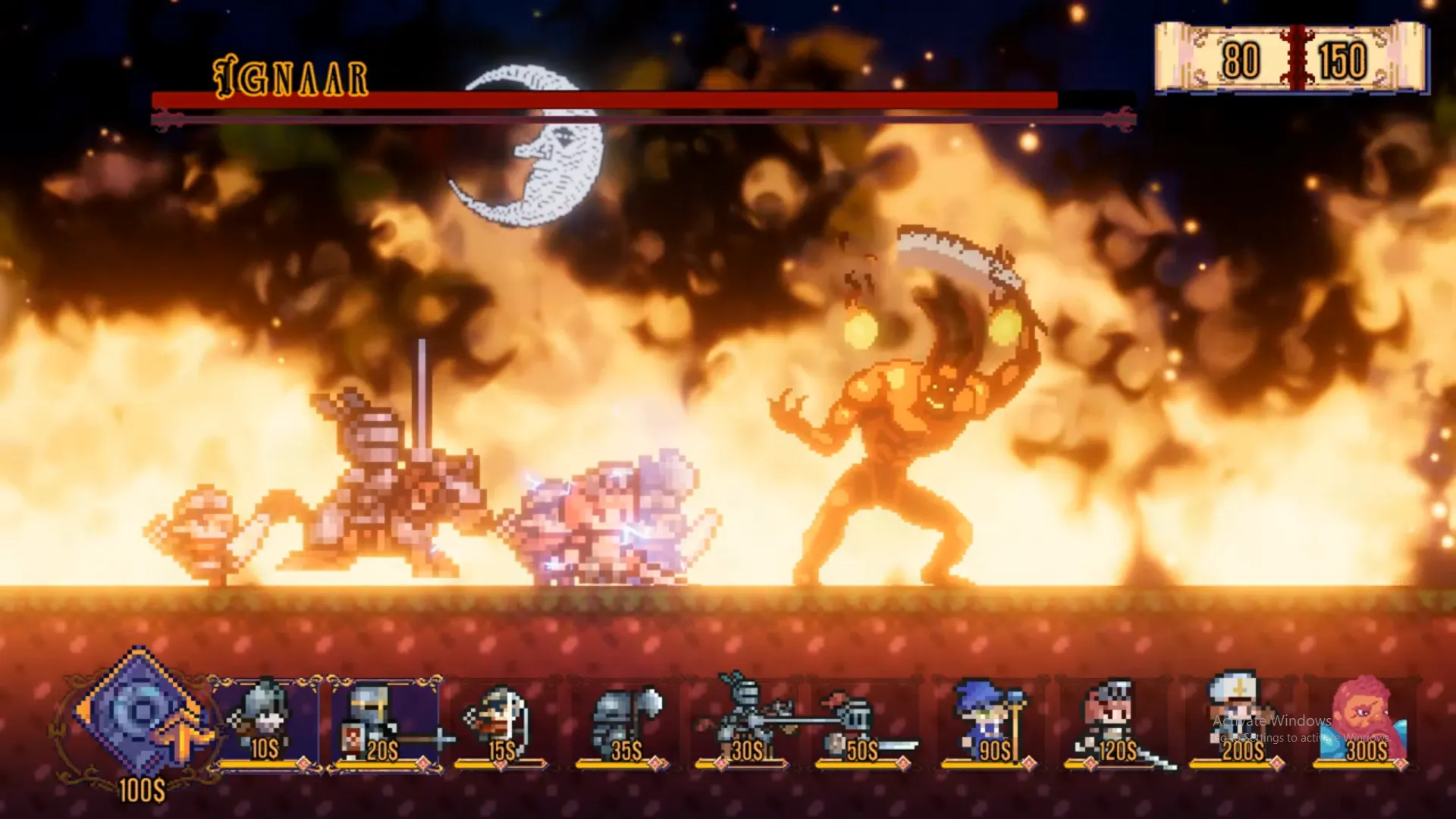
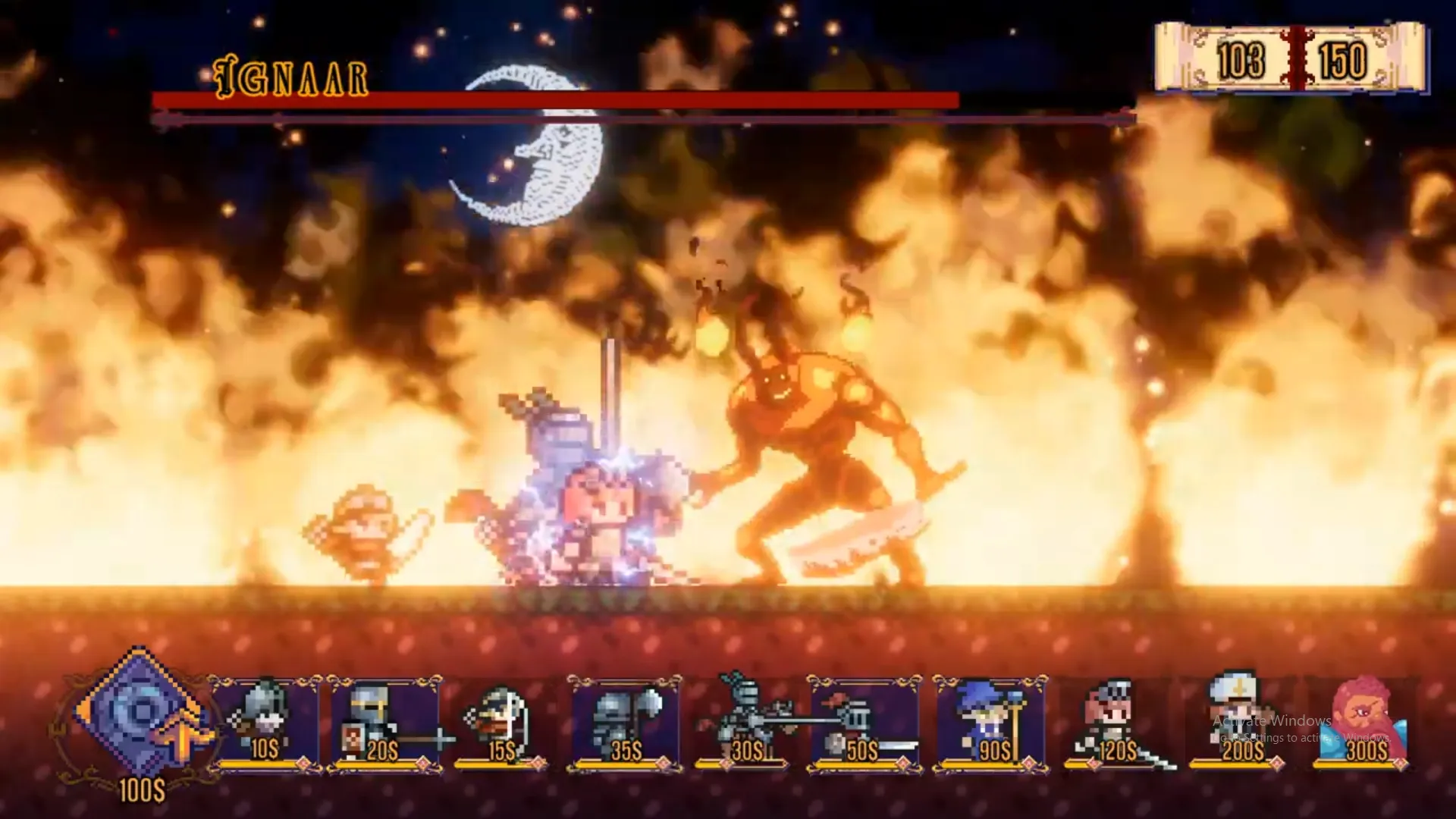
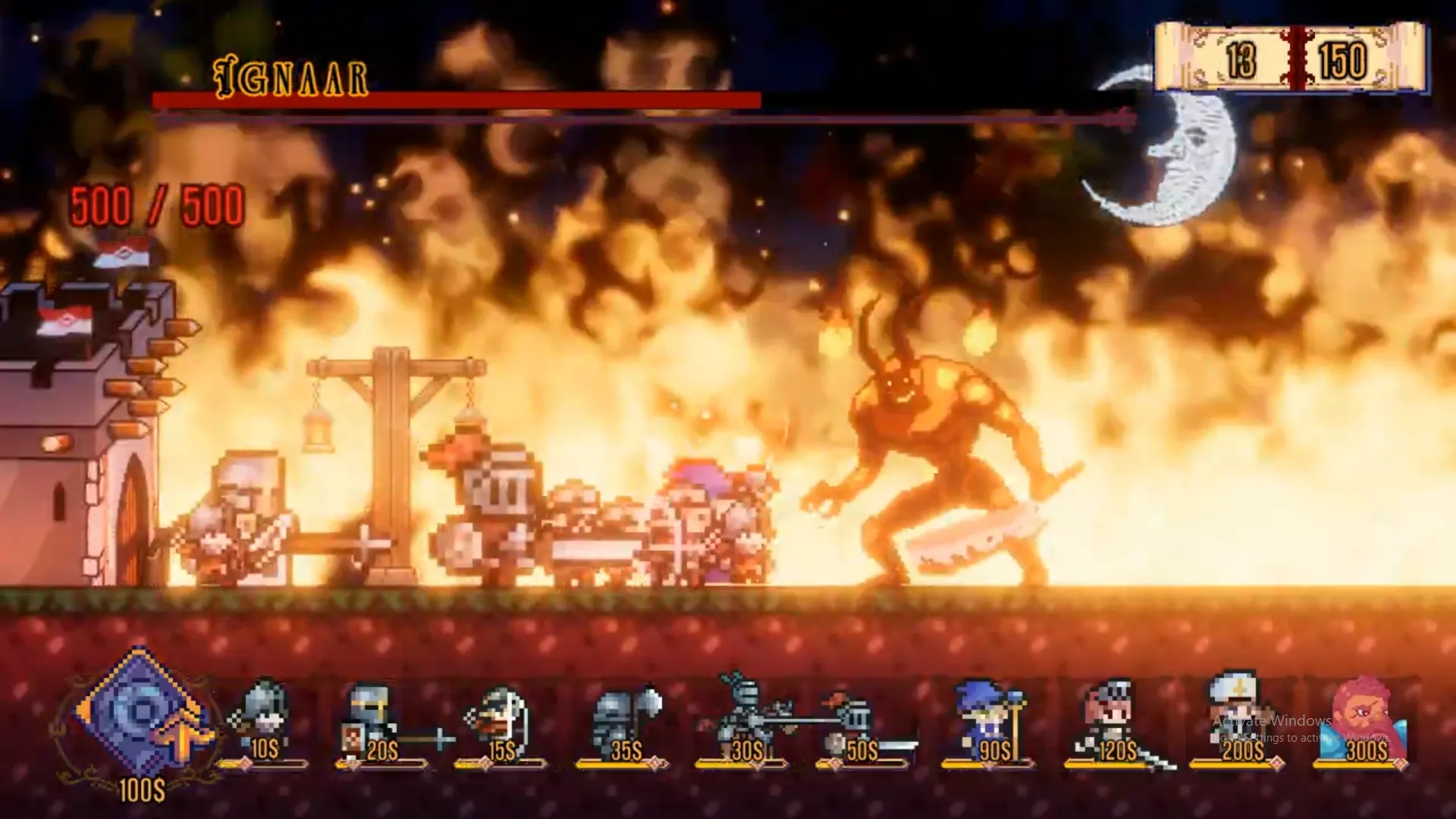
Dynamic Combat: Story-Driven Encounter Loops
Reclairos doesn't drop you into combat cold. Every encounter has context, stakes, and consequence.
Story Beat
Every battle begins with narrative context. High-stakes encounters set up objectives and stakes, ensuring you aren't fighting cold.
Pre-Battle Prep
Inspect incoming enemy waves, read terrain modifications, and construct the class synergies of your 5-person squad.
Combat Encounter
Deploy defenders, cast spells, and guide the moving escort through active lanes against aggressive enemy waves.
Escort Resolution
Escort health dictates resource distribution, story paths, and squad experience multipliers in the next level.
Built Different
Escort-Based Lane Combat
A shifting battlefield where friendly units must escort a moving payload, creating dynamic choke points and active lane defense variables.
Episodic Chapter Structure
Campaign levels grouped into narrative chapters, slowly introducing dual-wave mechanics and complex terrain hazards.
Data-Driven Enemy Behaviors
Demonic enemies programmed with target priorities, group coordination, and unique attack categories like area control or aerial assault.
Mobile-First Integrity
Custom rendering engine parameters optimized for high-refresh 60 FPS performance on standard Android and iOS devices.
5 Specialization Classes
Build layouts featuring defensive tanks, area damage breakers, swift rangers, supportive healers, and legendary warlord entities.
Interactive Lane Hazards
Environmental threats like shifting barricades, active void storms, and direct path alterations that force real-time squad adjustments.
Game Specifications & Performance Metrics
For development leads and partners. The engine, rendering capabilities, and architectural details powering Reclairos.
| Specification Parameter | Technical Implementation |
|---|---|
| Game Engine & Version | Unity 2026.1 LTS (Long Term Support) |
| Target Platforms | Android 12+ (Vulkan), iOS 15.0+ (Metal) |
| Graphics Pipeline | Universal Render Pipeline (URP) with custom lightweight shader layers |
| Performance Benchmarks | Solid 60 FPS on mid-tier test hardware (Snapdragon 845 / Apple A12) |
| Multiplayer Networking | Asynchronous Escort Leaderboards and encrypted database profiles |
📱 Mobile Compatibility Diagnostic
Select your device parameters below to check real-time target framerate and performance benchmarks.
Frequently Asked Questions
Join the Closed Beta Waitlist
Experience the next evolution of mobile strategy. Sign up to secure your spot in the upcoming closed beta and get production updates directly from the team.
Explore Other Projects

Reclairos
Engineering Case Study
A technical deep-dive into the architecture, engineering challenges, and design decisions behind a modular, story-driven mobile tower defense RPG — built for stable performance on mid-range hardware at every stage of development.
FPS on Snapdragon 665
Multi-layer mobile optimisation strategy targeting stable 60fps on mid-range Android hardware
Draw Calls Reduced
Sprite Atlasing, static batching, and URP 2D Renderer eliminated redundant draw calls across all encounter scenes
Memory Reduction
AnimatorOverrideController pattern — one base state machine in memory, per-unit clip overrides replace duplicated Animator Controllers
Design Pillars
Reclairos is a 2D story-driven Tower Defense RPG for Android and iOS using Unity URP. The game blends lane-based tactical defense with character-driven RPG progression and an episodic narrative structure — giving players a reason to fight beyond pure survival.
| Pillar | Description |
|---|---|
| Story First | Narrative context drives every combat encounter. Players understand why they are fighting, which deepens strategic investment. |
| Escort as Objective | Levels task the player with safely guiding a unit to the exit — creating dynamic, moving threat responses instead of static base defense. |
| Class-Based Combat | Player units are organised into distinct combat roles. Strategic class combinations are essential to progressing through harder encounters. |
| Mobile-Aware Design | All systems designed with mobile constraints: touch controls, short session lengths, and stable performance on mid-range hardware. |
| Scalable Architecture | New enemies, story chapters, and unit types can be introduced without rewriting core gameplay systems. |
9-Layer Modular System
Reclairos is built on a modular gameplay architecture where independent systems communicate through well-defined interfaces. This decoupling allows each system to be developed, tested, and extended independently without breaking adjacent functionality.
Player Input
Touch input handler, lane selection, unit drag-and-drop placement, ability trigger buttons.
Character Controller
Unit movement along lanes, escort unit pathfinding, collision and obstacle response.
Combat & Ability System
Damage resolution, ability cooldowns, targeting logic, status effects (stun, slow, burn).
Enemy AI System
Archetype state machines (melee, ranged, disruptor, elite), threat detection, attack sequencing.
Encounter Manager
Wave sequencing, enemy spawning, difficulty scaling, win/loss condition evaluation.
Game State Manager
Session state machine: Lobby → Story → PreBattle → Combat → Results → Progression.
UI Feedback System
Combat HUD, health bars, damage numbers, ability indicators, wave counter, escort progress bar.
Narrative System
Dialogue engine, cutscene sequencer, story state tracker, chapter unlock logic.
Unity Engine (URP)
2D rendering, sprite atlasing, particle VFX, physics, audio, scene management.
Architecture Principles
Modular Systems
The Combat System does not directly reference Enemy AI. Both communicate through a shared DamageEvent / StateChange event bus — preventing tight coupling.
Encounter-Driven Design
A single Encounter Manager reads a data asset describing wave timing, enemy types, and spawn positions — generating the entire encounter at runtime. No hand-scripted scenes.
Scalable by Default
Adding a new enemy type, ability, or story chapter requires creating a new ScriptableObject data asset — not modifying core gameplay code.
Four Core Engineering Problems
Large Character Roster Scalability
Unique Animator Controllers Don't Scale
- Each character class has distinct attack, idle, move, hit-reaction, and death animations
- Separate Animator controllers per unit create state machine duplication and balloon memory
- Adding a new unit type required rebuilding an animation graph from scratch
- Enemies share behavioral patterns but have visually distinct presentations
One Base State Machine, Per-Unit Clip Overrides
- Base Animator defines all states and transitions once — shared by every unit
- AnimatorOverrideController swaps animation clips per unit type at instantiation time
- New unit types require only a new clip set and override asset — no state machine authoring
- Result: 40% animator memory reduction — one base controller in memory, override assets are lightweight clip references
Combat Readability on Mobile Screens
Visual Chaos at Scale
- Mobile screens are 5–6 inches — multiple overlapping characters, projectiles, and effects compete for attention
- Players must distinguish allies from enemies, identify enemy archetype at a glance, and track the escort unit at all times
- VFX density during large encounters can obscure unit positions and health states
- Damage number spam becomes unreadable during intense waves
Readability as a First-Class Engineering Concern
- Escort unit always rendered on a dedicated top sorting layer — never occluded by other units or effects
- Ally and enemy units use distinct silhouette shapes and colour-coded UI rings for immediate archetype identification
- VFX particle budgets capped per encounter by the Encounter Manager — effects are pooled and reused, never spawned unlimitedly
- Damage numbers use a priority queue: only the most recent N values are displayed simultaneously
Mobile Performance Constraints
18 FPS on Snapdragon 665 Hardware
- Each active unit requires an Animator, Collider, and AI tick every frame
- Particle effects from abilities multiply GPU overdraw significantly
- Unity Editor profiling underestimated real-device performance by a wide margin
- GC allocation patterns caused frame hitches during encounter-start instantiation
Stable 60 FPS on Snapdragon 665 Achieved
- Sprite atlasing (Unity Sprite Atlas) — all unit sprites packed per chapter to minimise draw calls from 120+ to under 30
- Object pooling for all units, projectiles, VFX, and damage numbers — zero runtime Instantiate() calls during combat
- AI tick staggering — enemy state machines update on a distributed tick schedule, not every frame
- Animator culling set to 'Cull Completely' for off-screen units — zero evaluation cost for unseen characters
- Particle systems converted to URP Particles Unlit shader — removes unnecessary lighting calculations
System Scalability Under Growing Content
Hard-Coded Logic Blocks Scale
- Hard-coded enemy behaviour logic becomes a maintenance burden with 10+ enemy types
- Encounter scripts that reference specific unit types cannot be reused across chapters
- Ability systems embedding damage values in code block rapid balancing iteration
- Every balance change required a code modification, recompile, and QA pass
Gameplay Configuration Separated from Code
- EnemyArchetypeSO: movement speed, attack range, damage, health, behavior state weights, visual asset reference
- WaveDefinitionSO: enemy archetype list, spawn intervals, spawn positions, difficulty modifier
- AbilitySO: cooldown, targeting rule, effect type, damage/heal values, status effect applied
- New enemy types, abilities, and encounters created entirely in Unity Editor — no C# files touched
- Balance tuning reduced from hours (recompile + QA) to minutes (editor SO edit)
Unit Class & Enemy Architecture
Player Unit Classes
| Class | Role | Strategic Function |
|---|---|---|
| Vanguard | Frontline Melee Tank | High HP. Absorbs damage. Slows enemy advance. Buys time for ranged units to operate. |
| Ranger | Ranged DPS | Consistent damage from safe distance. Vulnerable to fast disruptor enemies that bypass the frontline. |
| Warden | Support / Healer | Sustains frontline units. Applies buffs and debuffs. Critical in longer, multi-wave encounters. |
| Breaker | Burst / AoE Damage | High burst output on grouped enemies. Long cooldown. Used to clear dense wave clusters. |
| Sentinel | Defensive / Crowd Control | Applies slows, stuns, and traps. Counters fast disruptor enemy types. Low DPS but high utility. |
Enemy Archetype Design
| Archetype | Behavior Pattern | Player Counter |
|---|---|---|
| Aggressive Melee | Rushes the escort unit directly. High pressure, low HP. | Frontline Vanguards + Sentinel slows |
| Heavy Defender | High HP, slow advance. Blocks lane. Absorbs significant damage. | Breaker burst damage + flanking Ranger pressure |
| Fast Disruptor | Bypasses frontline. Targets ranged and support units at the rear. | Sentinel traps and stuns + immediate Vanguard repositioning |
| Elite Tactical | Adaptive targeting. Coordinates with nearby enemies. High priority. | Focus fire priority targeting + Warden support |
Seven Lessons Validated in Production
Modular Architecture Enables Long-Term Scalability
Adding the third story chapter required zero changes to the Combat, AI, or Encounter Manager systems — only new ScriptableObject data assets. This validated the modular approach and significantly reduced chapter delivery time compared to a monolithic codebase.
Data-Driven Design Is a Force Multiplier
ScriptableObjects allowed non-engineer team members to author and balance enemies, abilities, and encounters directly. Balance iteration cycles that would have required a recompile and QA pass became editor operations measurable in minutes rather than hours.
Escort Mechanics Demand Different Threat Modeling
Traditional tower defense threat modeling focuses on static base defense. Escort design requires the threat model to account for a moving, vulnerable variable. Every system — unit placement, enemy targeting, wave pacing — had to be re-evaluated around the escort's position. The result: fundamentally more engaging gameplay.
Combat Readability Is a First-Class Engineering Concern
Readability was initially treated as a UI/art problem. Midway through development it became clear it was an engineering problem: particle budgets, sorting layers, damage number queuing, and VFX pooling all directly affected whether the player could read the battlefield under pressure. These systems needed explicit engineering ownership, not just art direction.
Mobile Performance Must Be Validated on Real Hardware Early
Unity Editor profiling significantly underestimated the performance cost of the encounter system on mid-range Android devices. Frame budgets appearing comfortable in editor were failing target frame rate on Snapdragon 665 hardware. A weekly on-device profiling ritual from the first playable build prevented performance debt from accumulating silently.
The Animation Override Pattern Is Underutilised in Mobile RPGs
AnimatorOverrideController is one of Unity's most underused tools for mobile RPGs with large character rosters. The pattern — one base state machine, per-unit clip overrides — delivered 40% memory savings and dramatically reduced the engineering cost of onboarding a new unit type. It should be the default approach for any mobile title with more than five character archetypes.
Story Context Amplifies Tactical Investment
The most consistently positive playtest feedback was not about mechanics — it was about caring which characters survived. Players who had engaged with the narrative sequences were measurably more engaged with combat outcomes. Story integration is not merely a content layer; it is a motivation layer that makes tactical gameplay feel consequential rather than abstract.
Ready to Build at This Level?
DualCore engineers modular, production-ready game systems for mobile, PC, and XR. If you're building a title that demands performance, data-driven design, and long-term scalability — let's talk.
Explore Other Projects
Join the Reclairos Private Beta
Experience the next evolution of mobile strategy. Sign up to receive an early access invite and production updates — directly from the team building it.