
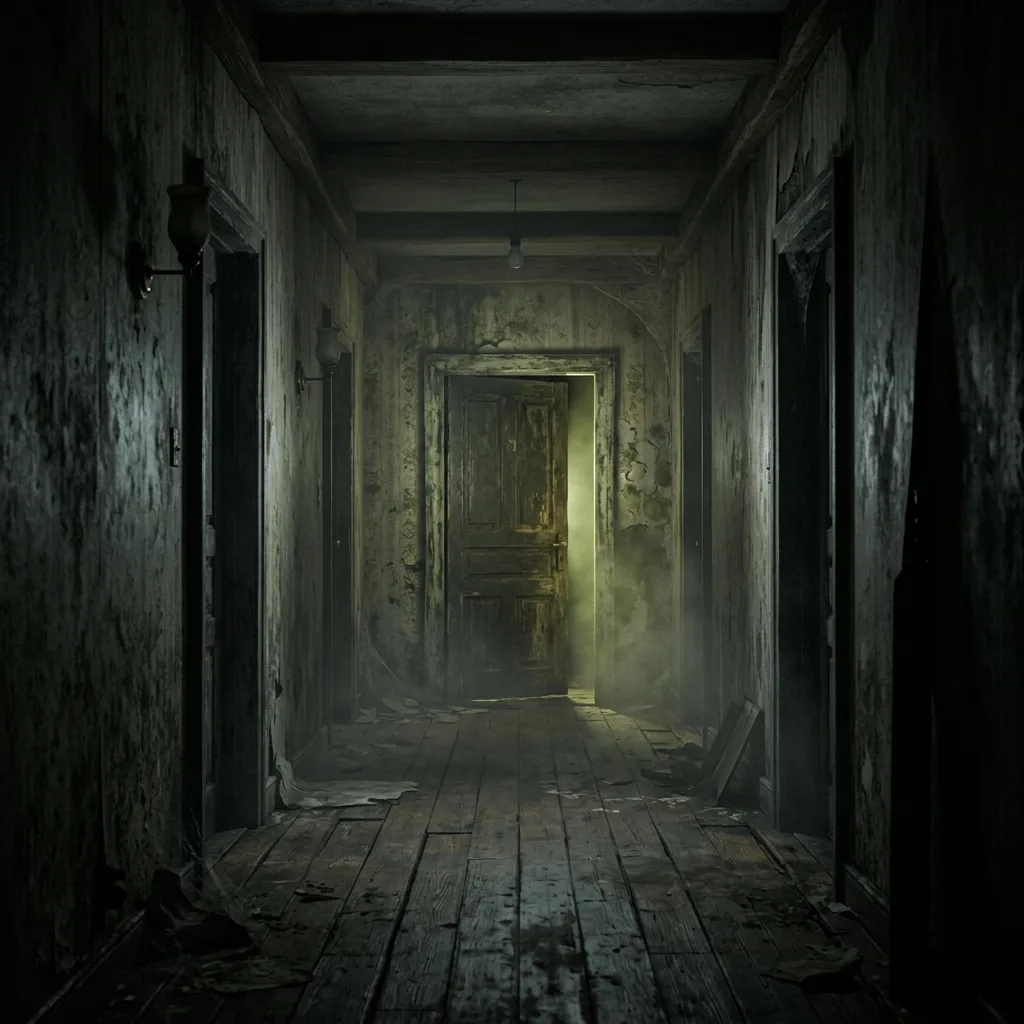
Never Open The Door
A first-person psychological horror experience centered around environmental storytelling, slow-burn tension, and a narrative-driven mystery that blurs the boundary between reality and the supernatural.
A new home.
A tragic past.
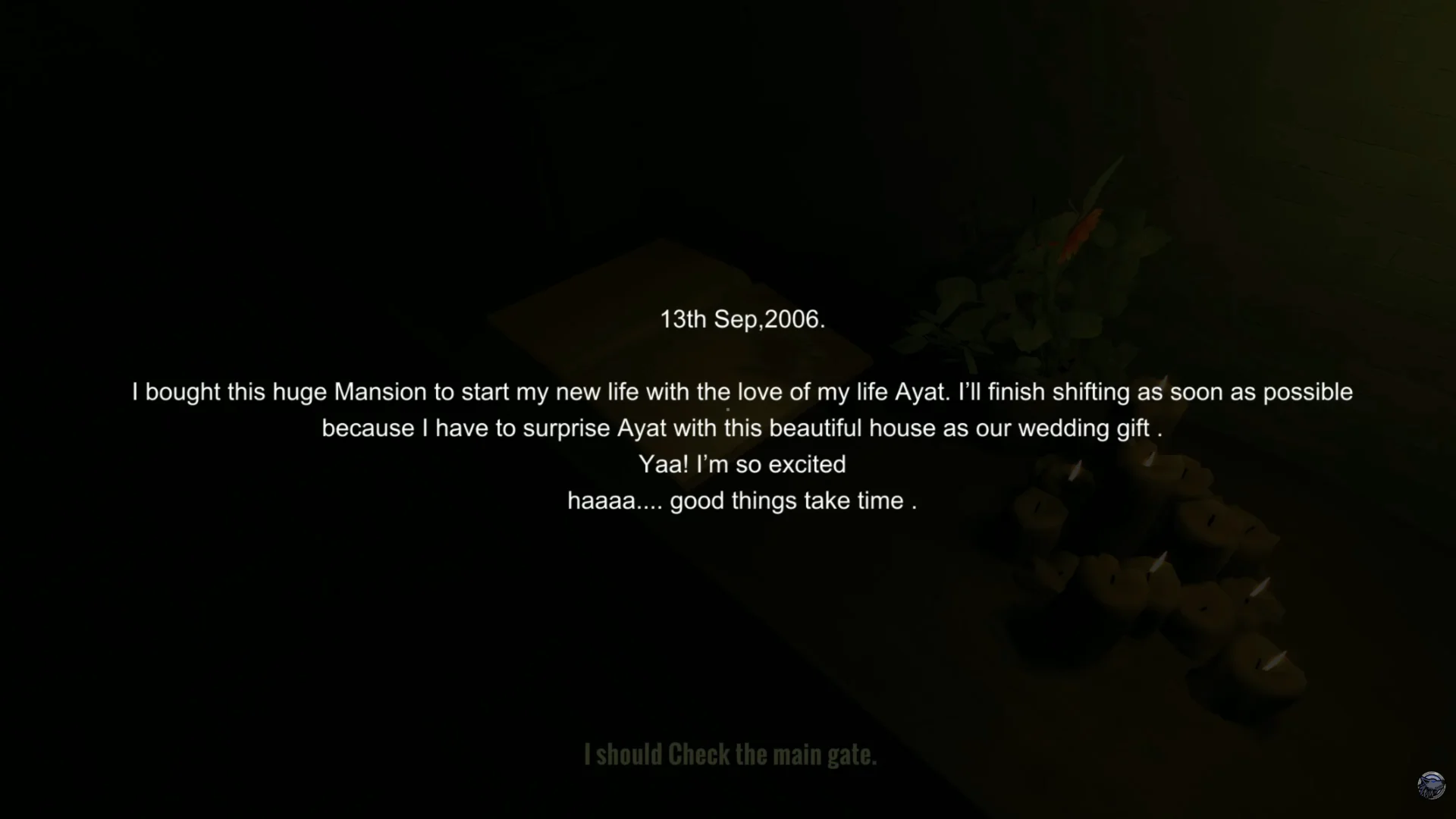
You play as Sam, a man attempting to start fresh in an isolated mansion far away from civilization. Excited to prepare the house for his future wife Ayat, Sam begins to uncover the unsettling truth of the previous owner.
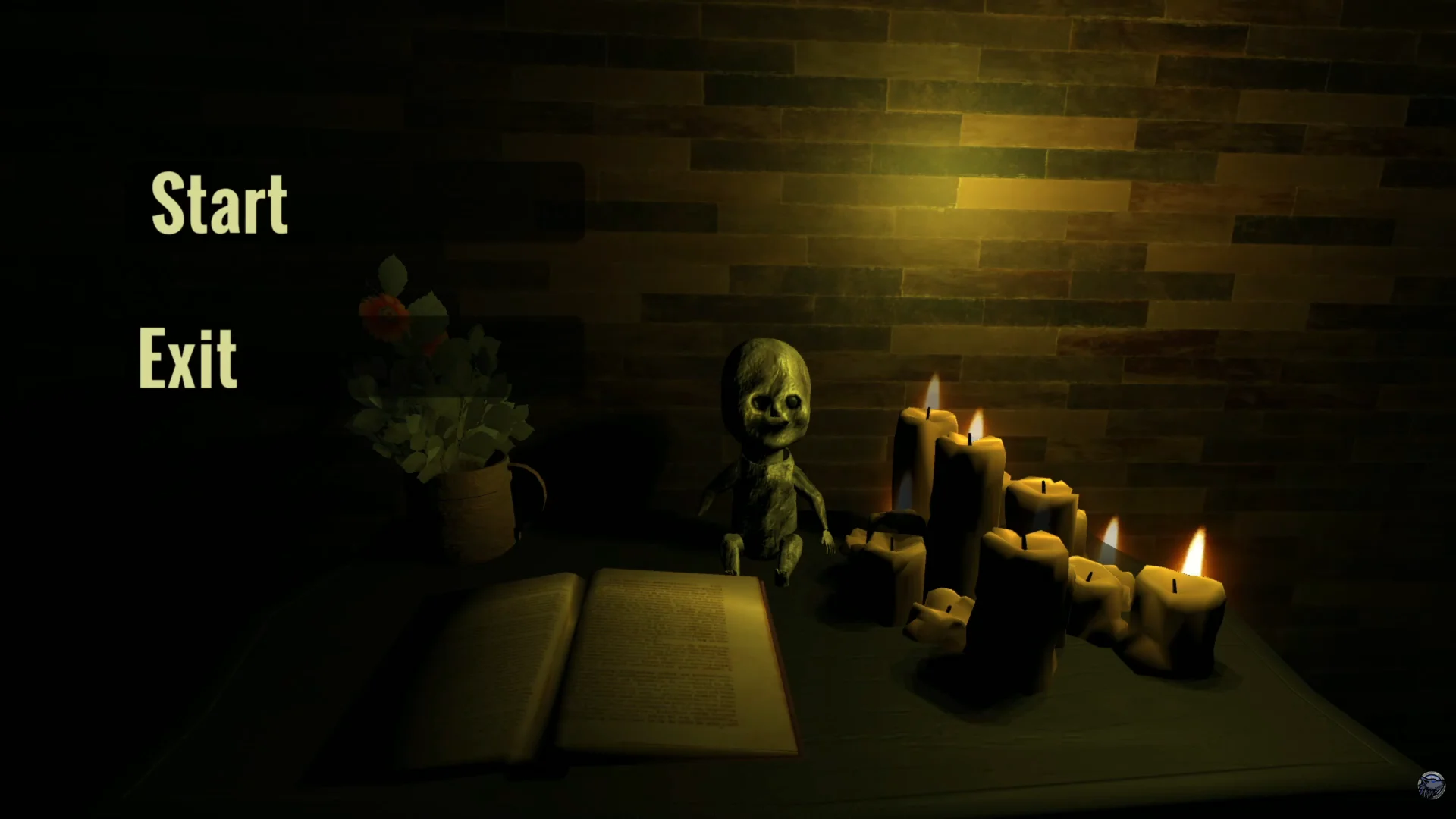
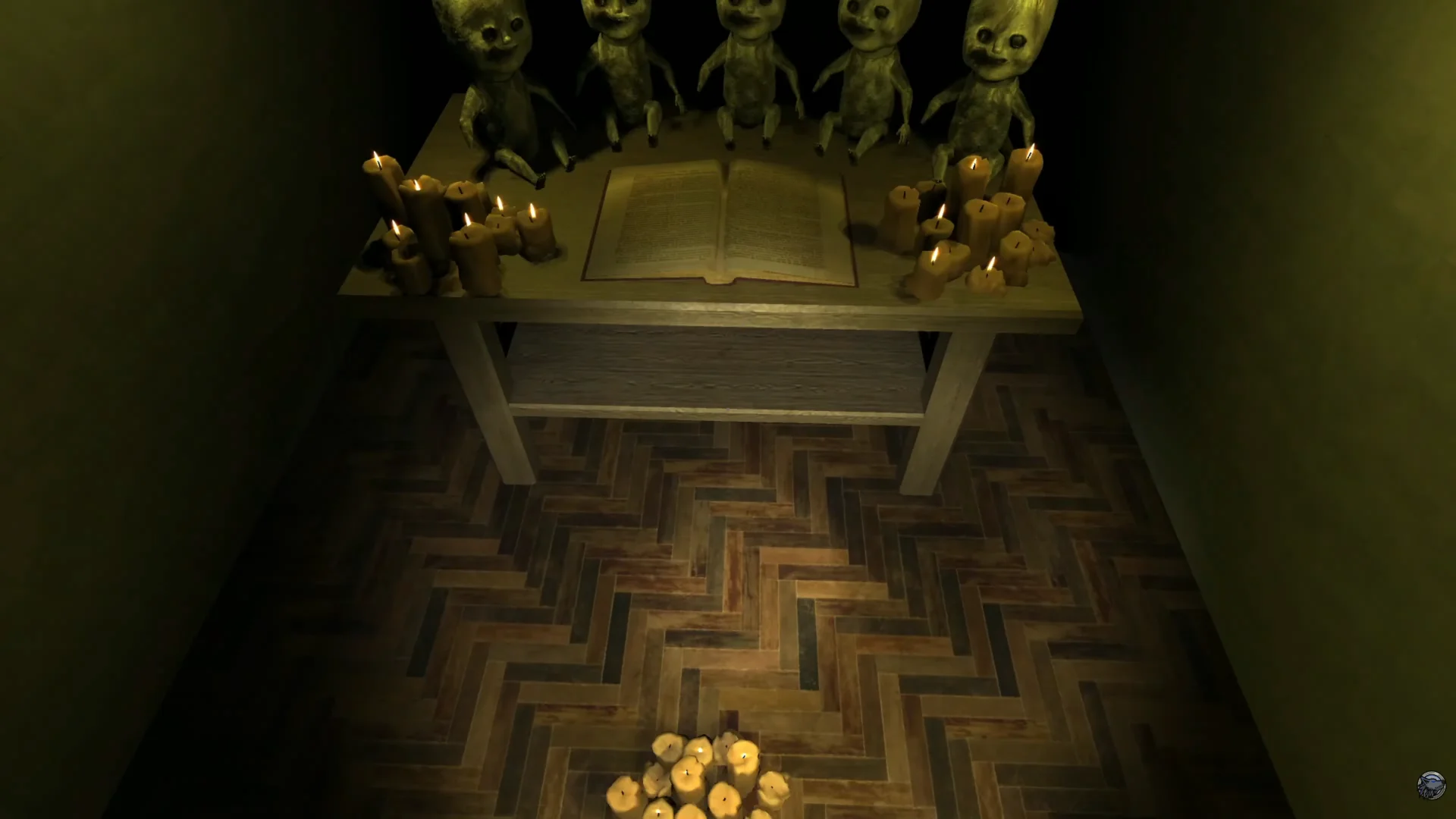
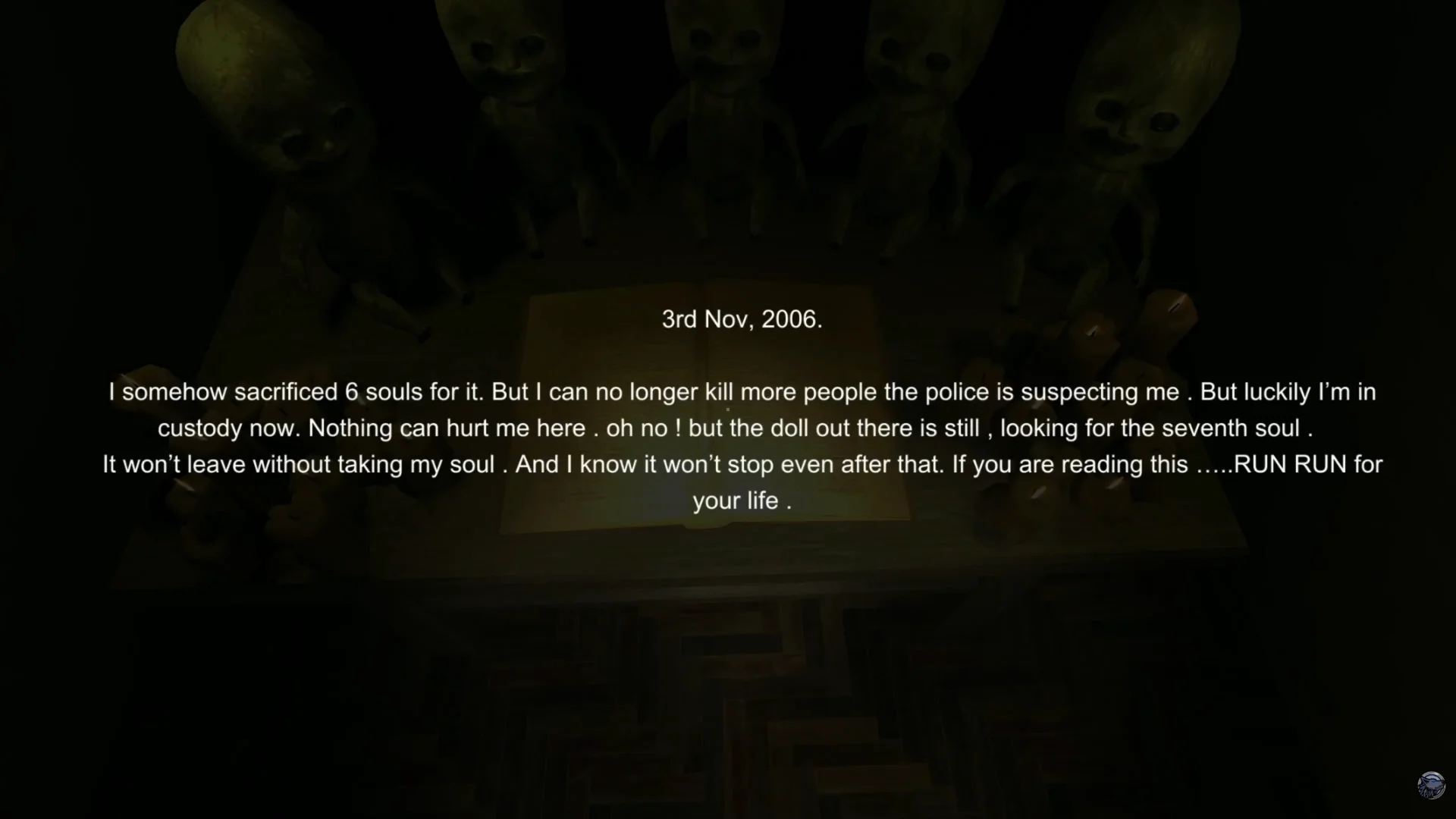
Mysterious candles appear out of nowhere. Strange dolls materialize in empty rooms. As night falls, Sam discovers a hidden diary that reveals a terrifying history of ritual sacrifices and a cursed entity searching for its seventh soul.
"What initially feels like exploration slowly becomes a psychological descent into a cycle of unfinished rituals and trapped spirits."
The Anatomy of Fear
Never Open The Door abandons cheap jump scares in favor of a creeping, systemic dread. The environment itself acts as the primary antagonist, distorting and reacting as you uncover fragments of the cursed diary.
Explore
Navigate an isolated mansion, investigating rooms, hidden spaces, and environmental clues.
Discover
Uncover diary entries revealing a tragic history of love, obsession, and occult rituals.
Trigger
Each discovery unlocks dynamic paranormal sequences that rewrite the mansion's reality.
Survive
Endure increasingly disturbing psychological encounters as the supernatural blurs with reality.
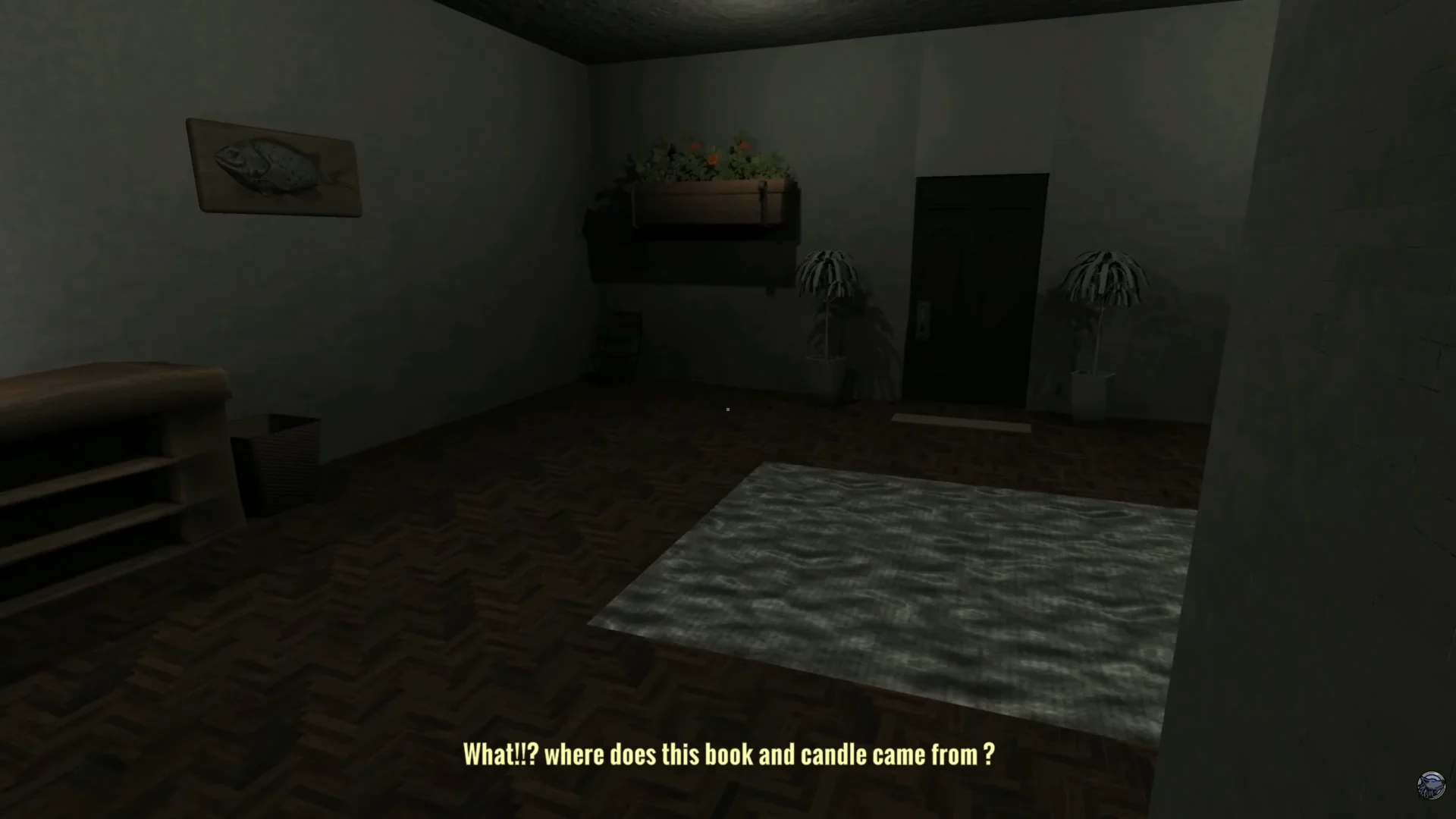
A house that watches, learns, and changes.
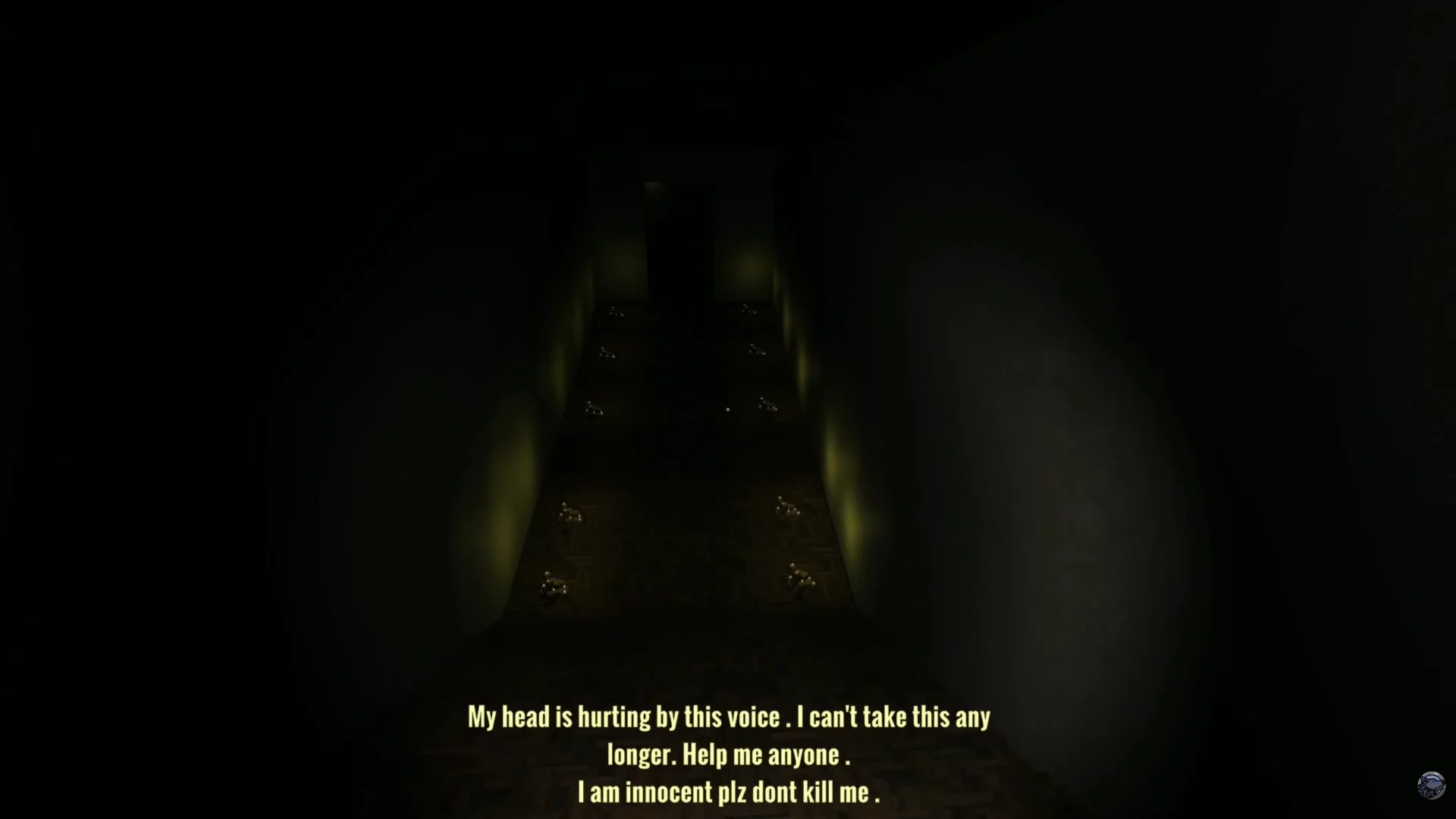
The game relies heavily on creating fear through atmosphere and suspense. The visual presentation focuses on low-light environments, shadow-heavy composition, and sudden, eerie silence.
-
✓
Layered Horror Feedback: Intense sound design, subtle environmental motion, and visual distortion create sustained tension.
-
✓
Distorted Environments: The mansion's layout subtly alters, trapping you in a maze of psychological illusions.
-
✓
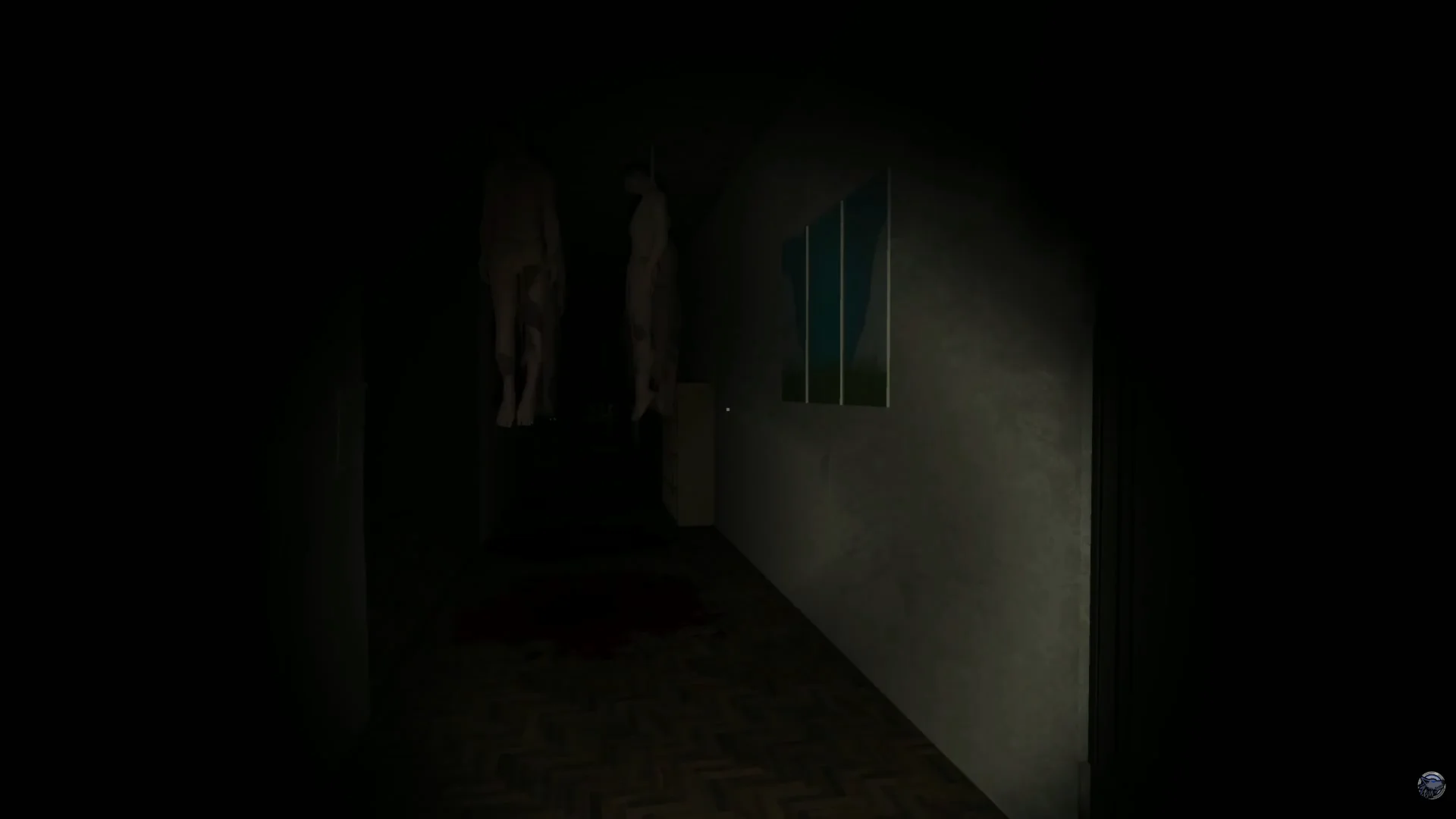
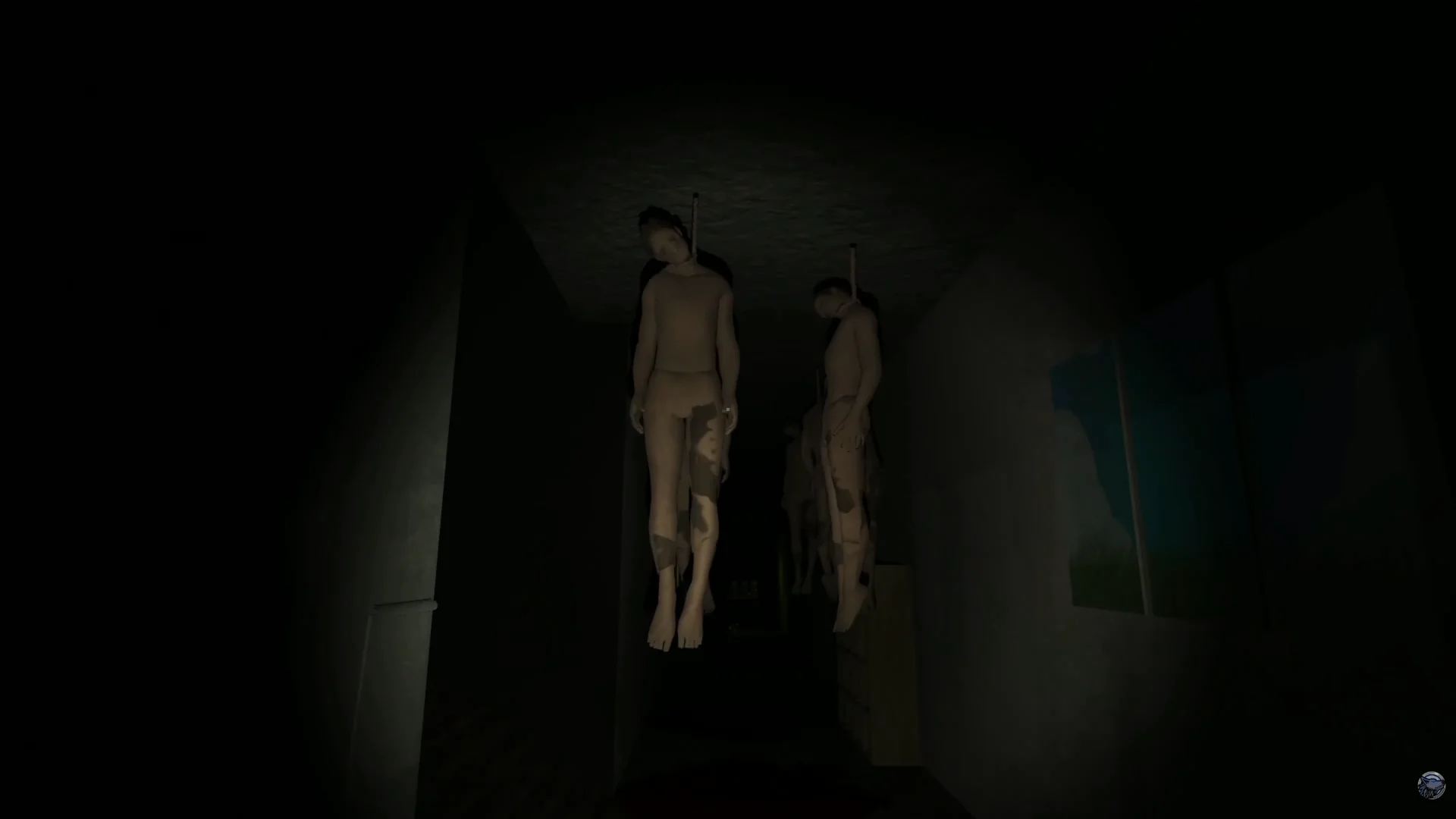
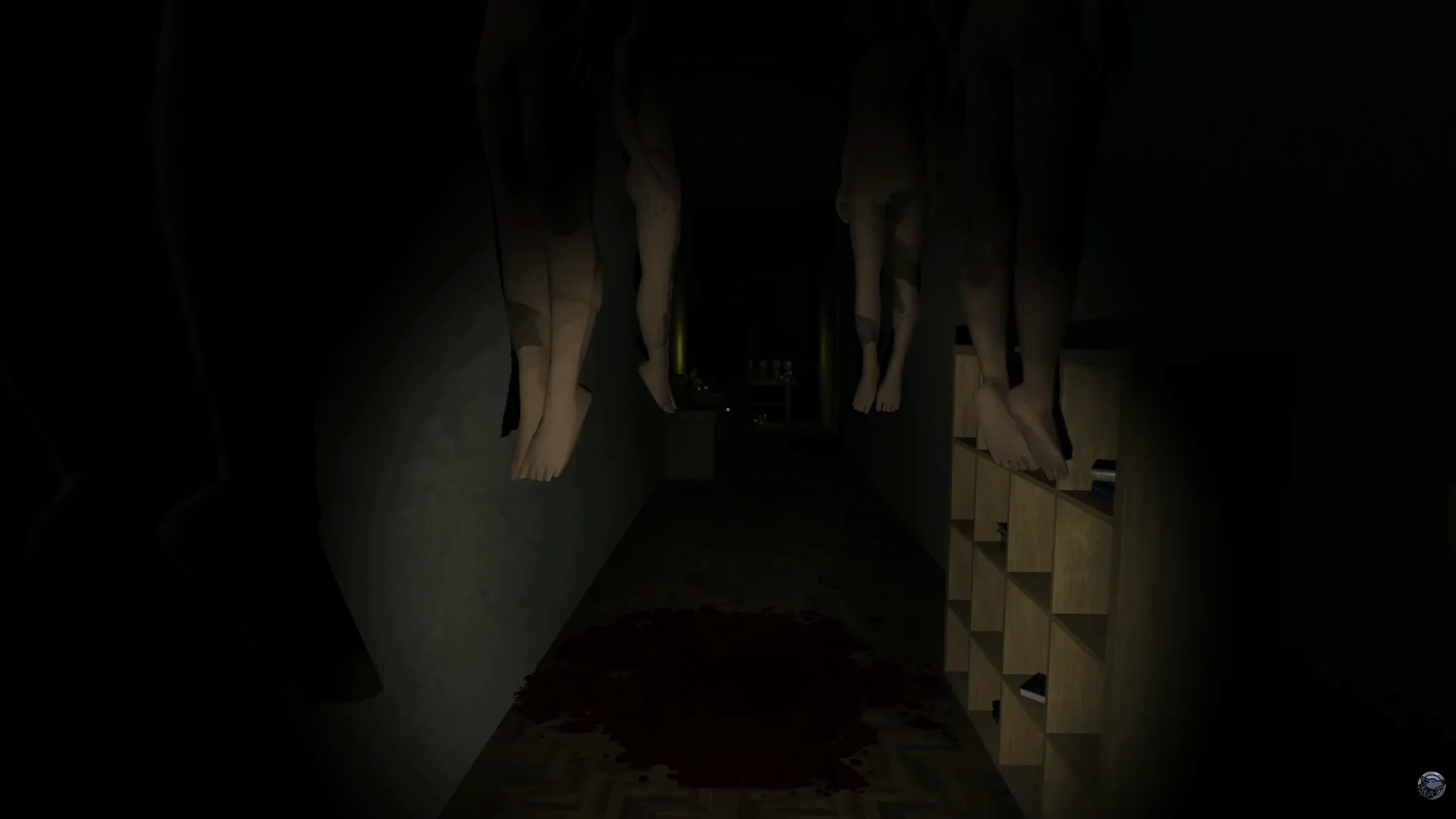
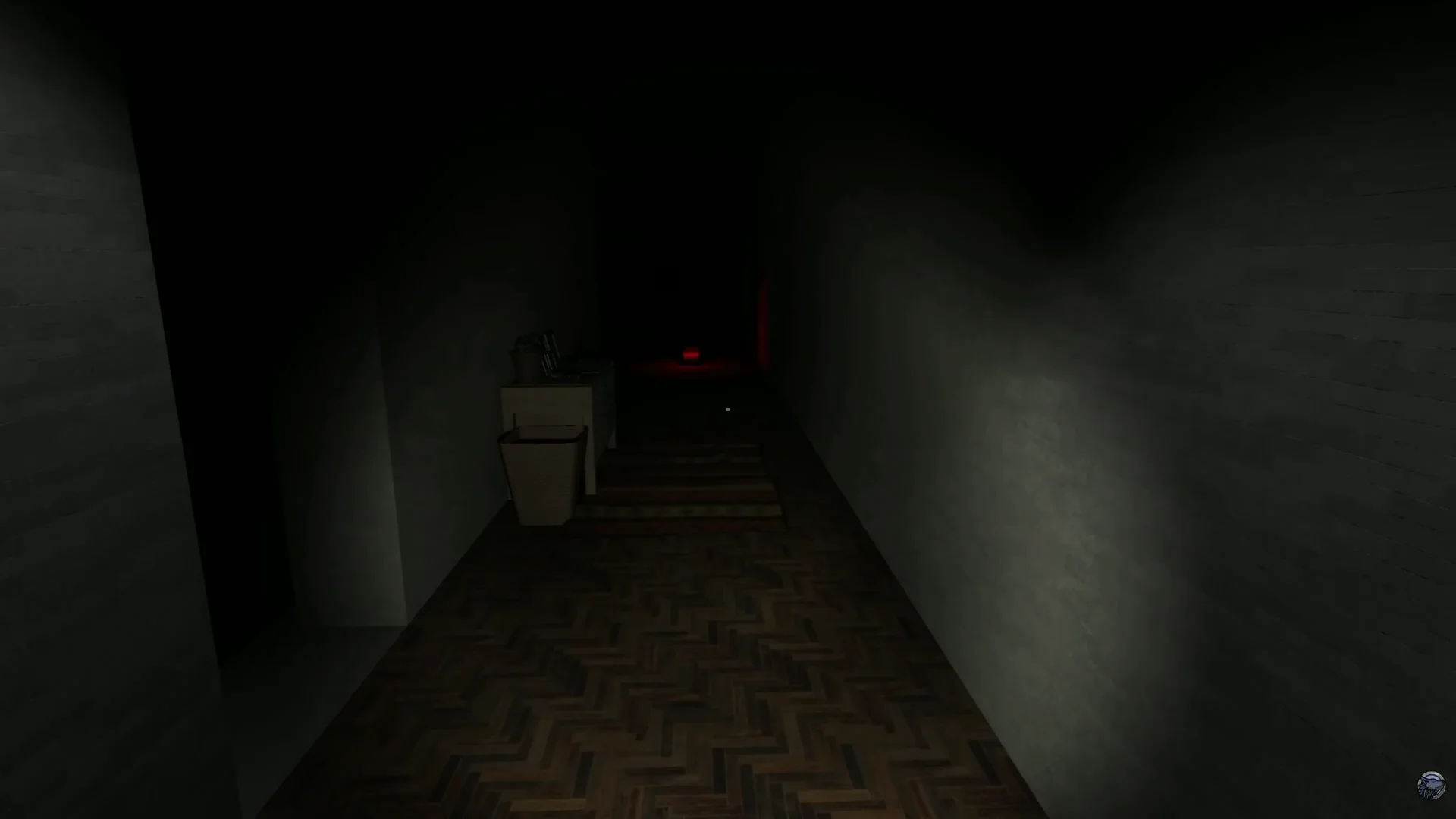
Ritualistic Themes: Unsettling candle-lit hallways and supernatural dolls add to the psychological terror.
Experience the Terror
Watch players react to the unpredictable, systemic horror of Never Open The Door.
Mansion Environment
A psychological nightmare where every hallway, room, and shadow hides another disturbing truth.
Core Technical Systems
Event-Driven Narrative
Diary entries act as narrative triggers, ensuring environmental changes occur only after the player has discovered key story elements, maintaining optimal pacing.
Dynamic State Controller
A centralized state system controls objects, lighting, and audio layers, allowing the house to gradually shift and reinforce the feeling of a living supernatural presence.
Controlled Encounters
Supernatural events are triggered through carefully timed sequences tied to exploration progress, making paranormal encounters feel unpredictable rather than scripted.
Silence is the loudest enemy.
The horror in Never Open The Door isn't just visual. We implemented a fully dynamic binaural audio system that tracks the supernatural entity's position relative to the player, even through walls.
Floorboards creak dynamically based on weight distribution, distant whispers utilize 3D spatial panning, and the ambient room tone subtly drops in pitch when a paranormal event is about to trigger—subconsciously alerting the player before they even see a threat.
Development Roadmap
Track our progress from alpha testing to the full Steam launch.
Phase 1: Alpha Core
Complete
Finalized the State-Discovery Engine, basic mansion layout, and initial diary trigger loops.
Phase 2: Private Beta
Current Stage
Inviting community testers to optimize the pacing, fix bugs, and refine the scare mechanics.
Phase 3: Launch
Upcoming
Full public release featuring the complete story campaign, Steam achievements, and VR support.
Let's Design Your Project
We engineer modular, production-ready interactive systems and robust game loops. Reach out to our engineering team to bring your vision to life.
Start Your ProjectExplore Other Projects

Never Open
The Door Engineering Case Study
A technical breakdown of a modular event-driven architecture where narrative triggers control environmental behavior, spatial distortion, and systemic tension.
Event Trigger Latency
Decoupled state events resolve with near-zero overhead, ensuring immediate environmental reaction upon narrative discovery.
State Consistency
Centralized Environmental State Controller prevents contradictory lighting or object states during complex overlapping hallucinations.
Audio Spatialization
Simultaneous real-time DSP layers including whispers, environmental tension, and direct UI narrative feedback.
Modular Event-Driven Architecture
The game is built around an event-driven architecture that connects player exploration with narrative progression and dynamic environmental reactions. This pipeline ensures that horror events unfold naturally.
1. Player Exploration
2. Diary Event Manager
3. Env State Controller
4. A/V Horror Effects
Engineering Psychological Tension
Narrative Driven Event Sequencing
Linear Expectations in Open Environments
Because paranormal events are directly tied to diary discoveries, the system needed to support dynamic story triggers that activate environmental changes in a controlled narrative order, even when players navigate non-linearly.
Event-Driven Narrative System
Diary entries act as narrative triggers broadcasted across a decoupled event bus. This system ensures that environmental changes occur only after the player has discovered key story elements, maintaining narrative pacing seamlessly.
Environmental Consistency During Distortions
Visual Continuity Breakdowns
As supernatural events begin to alter the house, maintaining visual continuity while introducing subtle environmental distortions becomes critical for preserving immersion. Traditional toggling of objects caused jarring pop-ins.
Dynamic Environmental State System
Environmental objects, lighting, and audio layers are controlled through a centralized state system. This allows the house to gradually change as the story progresses, creating subtle, interpolated shifts that reinforce the supernatural influence smoothly.
Managing Player Expectations
Predictable "Scripted Event" Fatigue
Players exploring horror environments often anticipate scripted events or jump scares. The challenge was designing systems that make paranormal encounters feel unpredictable and psychologically unsettling rather than repetitive.
Controlled Encounters & Layered Feedback
Supernatural events are triggered through carefully timed sequences tied to exploration progress. Instead of relying solely on jump scares, the game uses layered horror cues—sound design, environmental motion, shadow behavior, and visual distortion—to create sustained tension.
Validation in Production
Narrative-Driven Systems Enhance Horror Immersion
Connecting paranormal encounters directly to story progression ensures that each supernatural event feels meaningful and reinforces the narrative experience, rather than feeling like a random sequence of events.
Environmental Storytelling Strengthens Player Engagement
Allowing players to uncover the story through exploration encourages curiosity and deepens immersion within the haunted environment.
Psychological Horror Requires Controlled Pacing
Gradual escalation of supernatural events allows tension to build naturally, making each encounter more impactful than a barrage of immediate threats.
Dynamic Environment Systems Support Immersive Horror
By allowing environmental elements to subtly change over time through the centralized state controller, the game creates a living space where the house itself feels like an active participant in the horror experience.
Ready for a Technical Architecture Audit?
We audit rendering performance, frame-rate bottlenecks, memory leaks, and backend scaling. Request a free evaluation from our engineering team.